Warehouse LED retrofits cut energy costs by 60-75% and pay back in under 2.5 years. This 2026 guide breaks down real ROI numbers, smart control savings, and procurement specs for B2B buyers.
For importers and project buyers, understanding warehouse retrofit ROI prevents costly specification errors. The wrong fixture choice wastes budget and delays payback. This guide provides the data you need to make informed procurement decisions.
Why Warehouse LED Retrofits Make Financial Sense in 2026
The global LED lighting market reached $110.76 billion in 2026. It is projected to grow to $145.01 billion by 2031 at 5.55% CAGR. The commercial segment accounts for the dominant share of this growth.
For warehouse operators, this growth means maturing supply chains and falling fixture costs. LED high bay fixtures now deliver 150+ lumens per watt at competitive prices. The question is no longer whether to retrofit, but how fast.
Energy regulations are accelerating the transition. The ASHRAE/IES Standard 90.1-2025 reduced lighting power density allowances by 5-10%. Older metal halide systems cannot meet new code requirements. California goes further: Title 24 2026 cuts the office lighting power density limit to 0.65 W/sq ft and mandates controls on most retrofits.
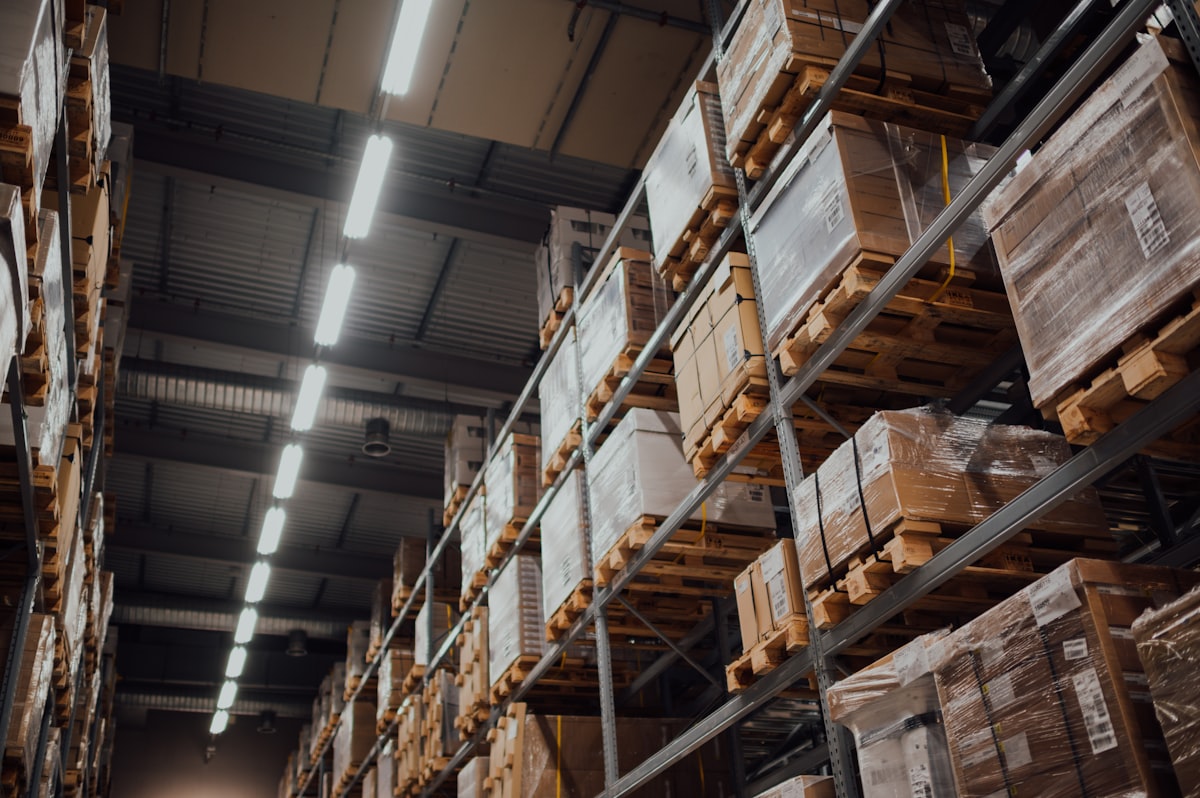
Metal halide systems also suffer from long warm-up times and color shift. After 10,000 hours, metal halide output drops to 60% of initial lumens. Warehouse aisles appear dim and uneven, creating safety risks for forklift operators.
Calculating Energy Savings: The Numbers That Matter
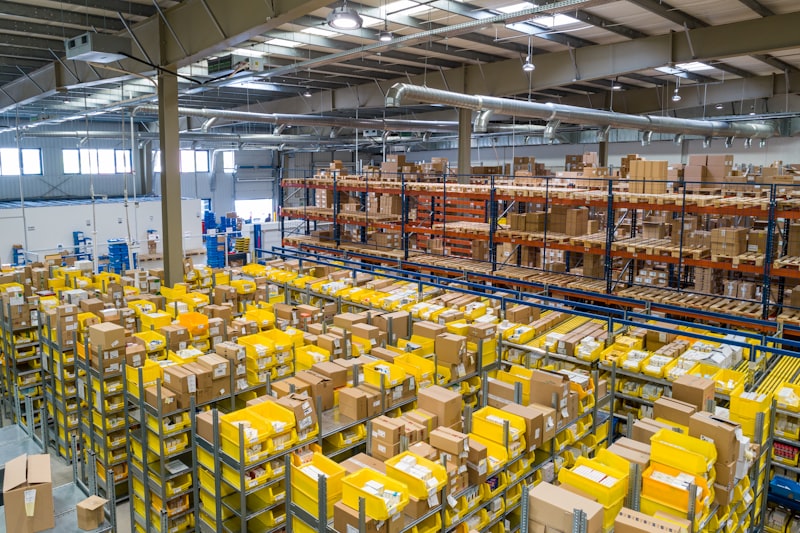
A typical 50,000 sq ft warehouse with 400 metal halide fixtures spends heavily on energy. At $0.12/kWh (U.S. commercial average per EIA 2025), annual lighting costs exceed $30,000. These costs scale directly with operating hours and electricity rates.
LED high bay retrofits cut that consumption by 60-75%. The same facility saves $11,260+ per year in energy alone. Payback typically occurs within 1.5 to 2.5 years.
Lifetime ROI often exceeds 400% when factoring in energy, maintenance, and HVAC savings. LED fixtures also generate less heat, reducing air conditioning loads in climate-controlled warehouses.
For a detailed cost comparison, see our LED vs Traditional Lighting Comparison tool. Use our Lumens to Watts Conversion guide for exact fixture replacements.
Beyond Energy: Productivity and Maintenance ROI
Energy savings tell only half the story. When productivity gains are included, payback drops to 6-12 months. In a 50,000 sq ft facility, productivity benefits reach $110,000-$235,000 annually.
Reduced picking errors, faster pick rates, and fewer forklift incidents all contribute. Better light quality directly improves worker performance and safety. These operational benefits are 3-5 times larger than energy savings alone.
Maintenance costs also drop dramatically. Metal halide lamps last only 15,000 hours. LED fixtures rated at 50,000+ hours reduce relamping labor by 70%.
Use our LED Lifespan Calculator to model maintenance savings for your facility. It factors in operating hours, ambient temperature, and lumen depreciation.
Smart Controls: Adding 20-30% More Savings
Smart lighting controls multiply LED savings significantly. Occupancy sensors, daylight harvesting, and time-based dimming add another 20-30% energy reduction. These controls are now baseline requirements under updated building codes.
The global smart lighting market reached $21.47 billion in 2026. It is projected to grow at 19.3% CAGR through 2034. Warehouse operators increasingly adopt DALI-2 and 0-10V controls for zone-based dimming.
Networked control systems also provide energy monitoring data. Facility managers can track consumption by zone in real time. This visibility supports compliance with ISO 50001 energy management standards.
If your fixtures flicker after installation, check our LED flicker troubleshooting guide. Flicker issues often stem from driver incompatibility, not the LED itself.
Technical Specs for Warehouse LED Fixtures
| Specification | Minimum | Recommended |
|---|---|---|
| Efficacy | 130 lm/W | 150+ lm/W |
| Color Temperature | 4000K | 5000K |
| CRI | Ra 70 | Ra 80+ |
| Lifetime | 50,000 hrs | 50,000+ hrs (L80/B10) |
| IP Rating | IP65 | IP66+ |
| Dimming | 0-10V | DALI-2 |
| Surge Protection | 4kV | 10kV |
| Warranty | 5 years | 7-10 years |
Installation labor accounts for 35-45% of total project cost. Pre-wired fixtures and plug-and-play designs reduce on-site time. Always request IES photometric files before purchase.
Specify fixtures with surge protection rated for 4kV minimum. Warehouses with heavy machinery experience frequent voltage transients that damage LED drivers. Surge protection extends driver lifetime by 30-40%.
For comprehensive design principles, review our Lighting Design Guide. It covers lux levels, maintenance factors, and layout planning for commercial spaces.
Action Steps: Planning Your Retrofit
Start with a lighting audit to establish your baseline. Document existing fixture types, wattages, and operating hours. This data forms the foundation of your ROI calculation.
- Audit current fixtures. Record type, wattage, quantity, and operating hours per zone.
- Calculate ROI. Use our Industrial Lighting ROI Calculator to model energy savings and payback.
- Request test data. Ask suppliers for IES photometric files and LM-80 lifetime reports.
- Specify smart controls. Include occupancy sensors, daylight harvesting, and zone dimming.
- Plan phased installation. Retrofit one zone at a time to minimize operational disruption.
- Verify compliance. Confirm ASHRAE 90.1-2025 and local code requirements before ordering.
Frequently Asked Questions
Most warehouse LED retrofits pay back in 1.5 to 2.5 years through energy savings alone. When productivity gains are included, payback drops to 6-12 months. Lifetime ROI often exceeds 400% when factoring in energy, maintenance, and HVAC savings.
LED high bay fixtures cut energy consumption by 60-75% compared to metal halide. A 50,000 sq ft warehouse can save $11,260+ annually in energy costs alone. Smart controls add another 20-30% energy reduction on top of LED efficiency.
Yes, most utility companies offer rebates for LED retrofits meeting minimum efficacy standards. Rebates typically range from $0.10 to $0.50 per watt reduced, shortening payback by 3-6 months. Check with your local utility for available incentive programs.
Ready to calculate your warehouse lighting ROI?
Use our free ROI calculator to model energy savings, payback period, and lifetime returns for your facility.
What to Do Next
Warehouse LED retrofits deliver ROI through three channels: energy savings, productivity gains, and reduced maintenance. The combined payback often exceeds 400% over the fixture lifetime.
For B2B buyers, the specification process is straightforward. Get the efficacy, lifetime, and control protocol right. Your client gets a warehouse that saves money from day one.
Smart controls are not optional in new commercial buildings under the EU EPBD renovation wave, which also sets staged retrofit deadlines for existing building stock through 2033. Even for retrofits, specifying controls-ready fixtures future-proofs your investment.
At Tonghua Lighting, we manufacture warehouse LED fixtures in Haining. We provide IES photometric files, LM-80 reports, and surge protection specs on every order. If your supplier cannot answer these questions, we can.