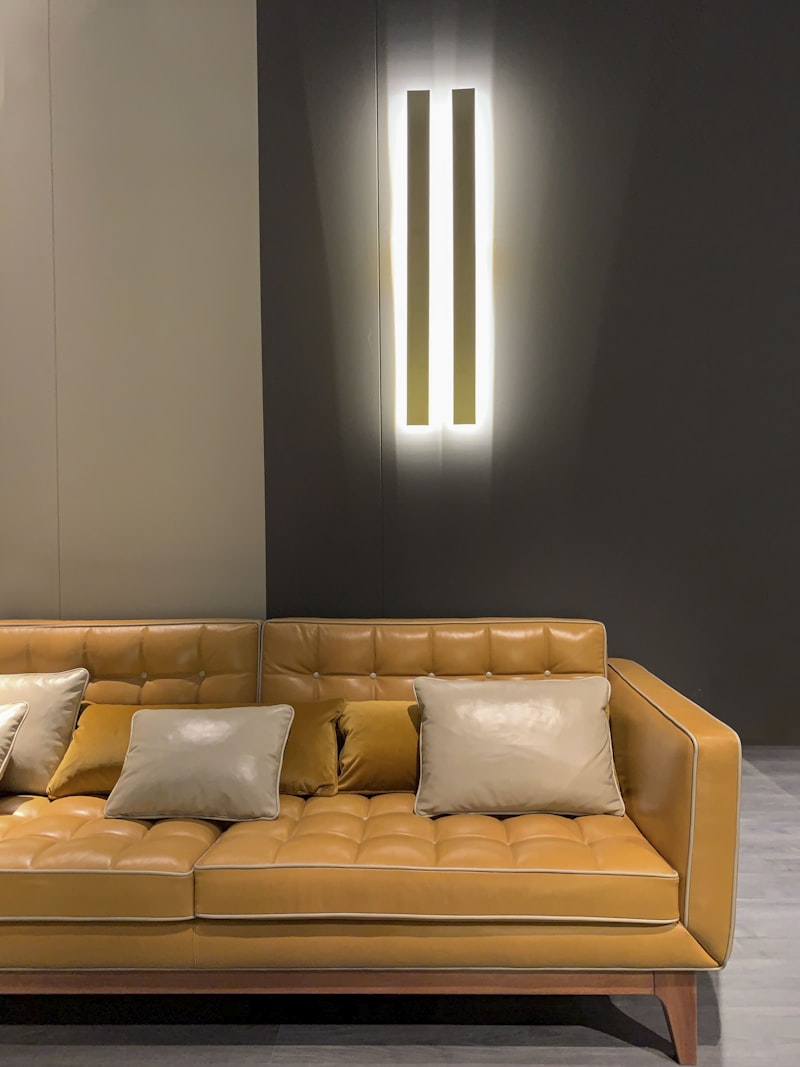
- LED Shop Lights: Retail & Commercial Display
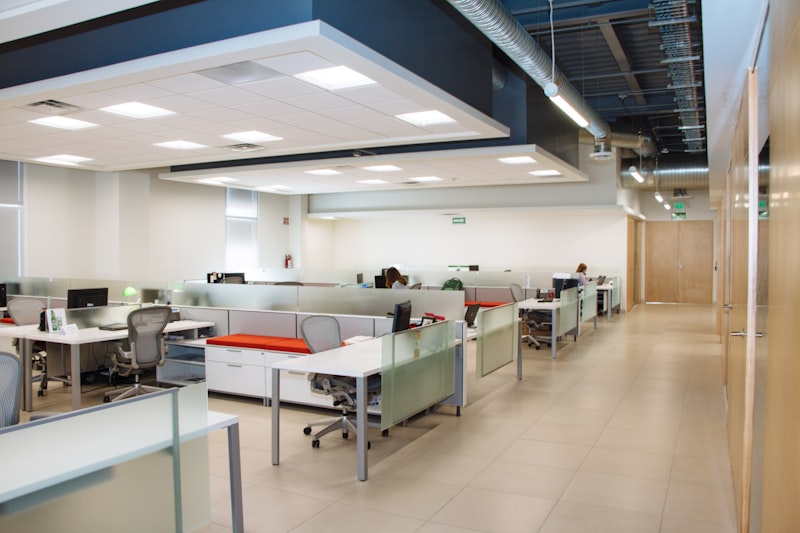
- LED Ceiling Lights: Office & Hospitality
- LED Garage Lights: Industrial & Workshop
- LED Recessed Lighting: Clean Ceiling Design
- LED Outdoor Lights: Facade & Landscape
- High Bay LED Lights: Warehouse & Factory
- How to Choose the Right Color Temperature
- Dimmable LED Lights: What Buyers Must Check
- LED Specification Checklist for B2B Buyers
In 2025, the global LED lighting market hit $92 billion. Yet according to project data from our factory, roughly 30% of commercial LED installations require post-installation fixes. The #1 cause isn't product failure —it's specification errors.
A 200-room hotel in Dubai ordered 5000K LEDs for all guest rooms. After the first floor was installed, the GM walked in and said it felt like a morgue. They paid $40,000 to replace every fixture before opening day. That's a $40K lesson in one missing spec line.
If you're an importer or project buyer specifying LED fixtures, this guide covers every major light type —LED shop lights, ceiling lights, garage lights, outdoor lights, high bay fixtures, recessed lighting, dimmable systems, and color temperature —with the specs that actually matter for commercial procurement.
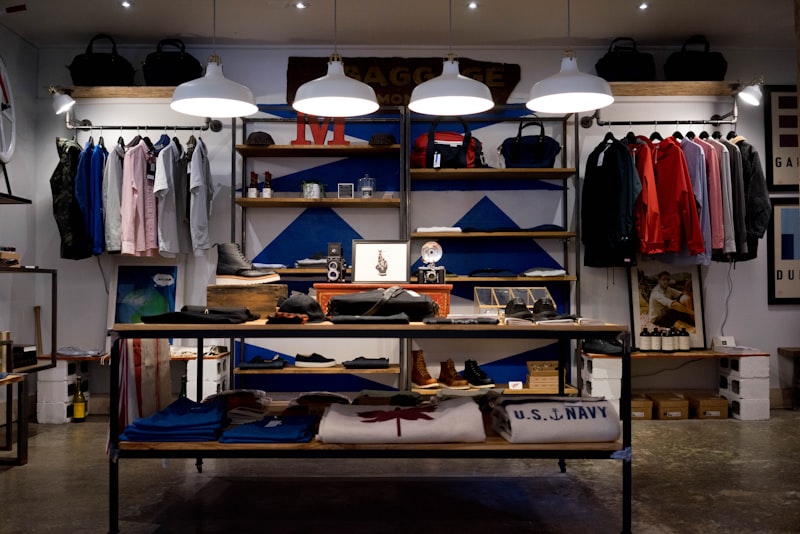
LED Shop Lights: Retail & Commercial Display
LED shop lights are the workhorse of retail environments. They illuminate merchandise, create atmosphere, and directly influence purchase decisions.
For retail projects, two specs drive results: CRI and beam angle. CRI 90+ ensures product colors look accurate and appealing —but always verify R9 (saturated red) separately, as many Ra 80+ LEDs score R9 below 30. For a full breakdown of CRI and R9 testing, see our CRI vs R9 guide.
- Lumens: 800–00 lm per fixture
- CCT: 3000K (fashion) or 4000K (electronics)
- CRI: Ra 90+ with R9 ≥0
- Beam angle: 24°–° (adjustable track preferred)
- IP rating: IP20 (indoor dry)
For a clothing boutique, choose 3000K with 90+ CRI. The warm tone flatters skin and fabric. For electronics showrooms, 4000K reads as clean and precise —matching the product category.
Avoid fixed downlights for retail. Track lights let your client re-aim fixtures when they reset displays. The flexibility pays for itself within one season.
At our factory in Haining, we test every retail fixture batch for CRI consistency before shipping. We've seen projects fail because a supplier shipped Ra 90 on the first batch and Ra 78 on the third —same SKU, different LED bins. Always specify MacAdam 3 SDCM or tighter to prevent this.
Indoor specs like these work for retail and office. But once you step outside, IP ratings and weather resistance take over —which brings us to outdoor LED lighting.
LED Ceiling Lights: Office & Hospitality
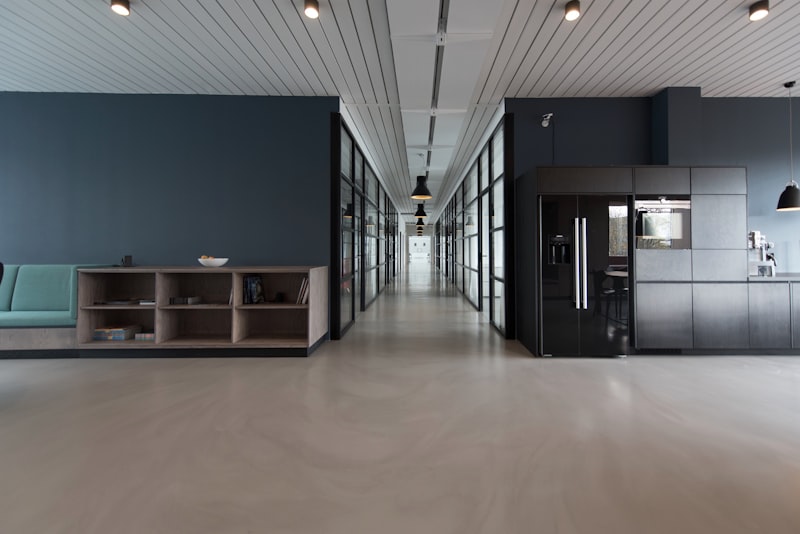
LED ceiling lights cover the broadest category —recessed downlights, flat panels, surface mounts, and flush mount fixtures. Each serves a different commercial purpose.
For offices, 4000K LED panels at 40– lumens per square foot deliver the neutral, glare-free environment that supports focus. Look for UGR (Unified Glare Rating) below 19 for screen-based workspaces. The IES publishes detailed recommended practice documents for office lighting (RP-1) that are worth referencing.
For hospitality —hotels, restaurants, lobbies —flush mount ceiling lights in 2700K–00K create warmth. The key is dimmability. Hotel spaces need different light levels throughout the day: bright for housekeeping, dimmed for evening ambiance.
Specify 0-10V or DALI dimmable drivers from day one. Retrofitting dimming costs 3x more and often doesn't work —driver and dimmer compatibility issues are the #1 cause of LED callback disputes.
With ceiling fixtures sorted, the next category moves us into heavier-duty territory. Garage and workshop lighting demands higher output and tougher builds.
LED Garage Lights: Industrial & Workshop
Garage and workshop lighting demands durability and high lumen output. These spaces need even illumination with minimal shadows for safety and task accuracy.
LED tube lights (T8 replacement) remain popular for garage retrofits. They're easy to install in existing troffer fixtures. But for new installations, integrated LED linear fixtures last longer and eliminate the tube replacement cycle entirely.
- Lumens: 3000–00 lm per fixture
- CCT: 4000K–00K
- IP rating: IP44+ (damp locations), IP65 (wet)
- Impact rating: IK08+ for workshops
- Voltage: 120–7V universal input
For parking garages specifically, specify IP65 fixtures with motion sensors. The combination of moisture protection and occupancy-based dimming can cut energy costs by 60% compared to always-on fluorescent.
Garage fixtures prioritize raw output and durability. But many commercial spaces also need a cleaner aesthetic —which is where recessed lighting comes in.
LED Recessed Lighting: Clean Ceiling Design
LED recessed lighting offers a clean, architectural look that works across retail, office, and hospitality spaces. The fixtures disappear into the ceiling —the light does the work.
For B2B projects, recessed lighting specs come down to four variables: aperture size, lumen output, beam angle, and IC rating.
- 4-inch aperture: 600–0 lm, ideal for accent lighting and low ceilings
- 6-inch aperture: 800–00 lm, the versatile standard for ambient lighting
- 8-inch aperture: 1500+ lm, high-bay retail and warehouse applications
Always specify IC-rated (Insulation Contact) recessed fixtures for commercial projects. Non-IC fixtures require clearance from insulation —a detail that causes installation delays and change orders when missed.
Choose adjustable gimbal trims for retail. Fixed downlights can't be aimed. Gimbal trims cost 15% more but let your client direct light onto displays without reinstalling fixtures.
Recessed lighting handles the ceiling interior. Now let's move outside, where weather resistance changes the spec sheet entirely.
LED Outdoor Lights: Facade & Landscape
Outdoor LED lighting serves three purposes: security, wayfinding, and architectural accent. Each requires different fixture types and specs.
For security lighting, 5000K flood lights with motion sensors deliver maximum visibility. Specify IP65 minimum —IP66 for coastal or high-rainfall areas.
For architectural facade lighting, 3000K wall washers create warmth and depth. The goal is to highlight building features, not blast the facade with flat white light. Use 24°–° beam angles for grazing textured surfaces like brick or stone.
For landscape and pathway lighting, 2700K–00K at low mounting heights creates inviting walkways without light pollution. IK08 impact resistance matters here —pathway fixtures get kicked, hit by carts, and splashed with debris.
- Security flood: 5000K, IP65, 5000+ lm, motion sensor
- Facade wall wash: 3000K, IP54+, 24°–° beam
- Pathway: 2700K–00K, IP65, IK08, <1000 lm
- Coastal: IP66, IK09, 316L stainless steel body
Outdoor fixtures face conditions that indoor LED shop lights never see. For a complete IP rating reference —including IK impact ratings and material recommendations —see our IP Rating Chart guide.
High Bay LED Lights: Warehouse & Factory
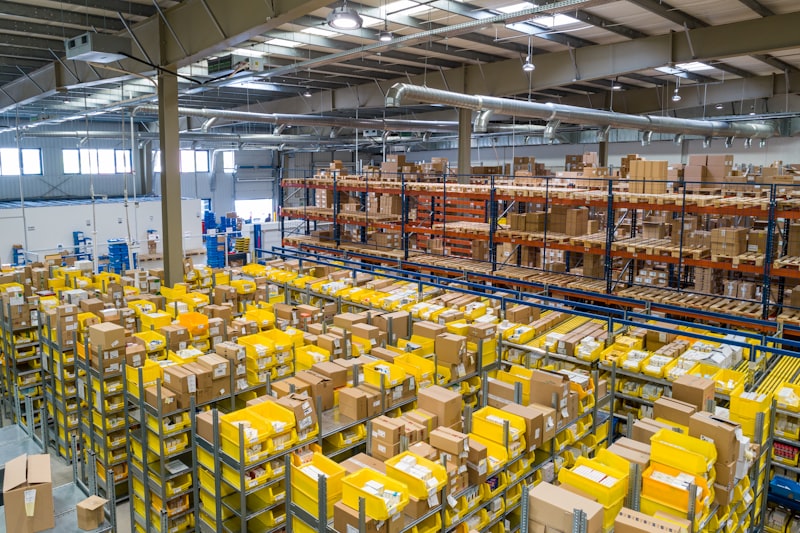
High bay LED lights are designed for ceilings above 20 feet. They're the go-to for warehouses, factories, gymnasiums, and big-box retail.
The critical spec for high bay lighting is beam angle vs. mounting height. Get this wrong and you'll have dark spots between fixtures or wasted light spilling past work zones.
| Mounting Height | Recommended Beam Angle | Typical Wattage | Spacing |
|---|---|---|---|
| 15– ft | 120° (wide) | 100–0W | 12– ft apart |
| 20– ft | 90° (medium) | 150–0W | 15– ft apart |
| 30– ft | 60° (narrow) | 240–0W | 20– ft apart |
| 40+ ft | 45° (narrow) | 400W+ | 25– ft apart |
For warehouses, 5000K is the standard —it reads as bright and alert, which supports safety. Add occupancy sensors for aisle-based dimming. A warehouse that dims empty aisles to 30% saves 50–% on lighting energy versus always-on fluorescent.
Always request LM-80 and TM-21 reports for high bay LEDs. These fixtures run hot and operate long hours. At our factory, we've seen that LEDs rated for 50,000 hours at 25°C typically deliver 35,000–,000 hours in real warehouse conditions where ambient hits 35–°C. Always derate by 20% for hot environments. Without thermal test data, you're guessing on lifespan —and high bay replacements require lift equipment that makes each RMA expensive.
Beam angles and wattage get the light to the right place. But the color of that light matters just as much —especially across different zones in the same building.
How to Choose the Right LED Lighting Color Temperature
Color temperature (CCT) is measured in Kelvin. Lower numbers are warm (yellow-red), higher numbers are cool (blue-white). Choosing the wrong CCT is the most common —and most expensive —LED procurement mistake we see at our factory.
| CCT | Appearance | Best Applications | Avoid |
|---|---|---|---|
| 2700K | Warm white | Hotel rooms, restaurants, residential | Offices, retail, warehouses |
| 3000K | Warm white | Retail fashion, lobbies, hospitality | Tech showrooms, pharmacies |
| 4000K | Neutral white | Offices, conference rooms, clinics | Bedrooms, fine dining |
| 5000K | Cool white | Retail, warehouses, garages, parking | Hotel rooms, restaurants |
| 5700K | Daylight | Industrial, precision assembly | Any hospitality space |
Consistency is everything. Mixing 2700K and 4000K in adjacent zones creates a jarring visual transition. Pick one CCT per zone and specify MacAdam 3 SDCM or tighter for color consistency between batches.
Some suppliers offer tunable white LEDs —fixtures that switch between 2700K and 5000K via DMX or DALI control. We manufactured a tunable white batch for a hotel ballroom in Singapore last year. The venue runs 2700K for weddings, 4000K for corporate events, and 5000K for teardown. The client saved 30% on fixture count versus installing separate warm and cool systems.
Color temperature sets the mood. But if your fixtures can't dim smoothly, the mood breaks —which brings us to dimmable LEDs.
Dimmable LED Lights: What Buyers Must Check
Not all LED lights are dimmable. And among those that are, many don't dim smoothly. Flicker, drop-out at low levels, and incompatibility with existing dimmer switches are the top three LED callback issues in commercial projects.
Here's what to verify before placing an order:
- Driver type: Constant current drivers with dedicated dimming ICs perform best. Avoid basic triac-dimmable drivers for new installations.
- Dimming protocol: 0-10V is reliable and affordable. DALI is premium but offers per-fixture addressing. TRIAC/phase-cut is for retrofits only.
- Dimming range: Specify 1–0% for hospitality, 10–0% for general commercial. Many budget LEDs claim "dimmable" but only go down to 40%.
- Flicker: Request a flicker test report. Flicker above 5% causes eye strain and shows up on security cameras. IEEE 1789 recommends flicker percent below 8% at 100Hz.
- Compatibility list: Ask the supplier which dimmer brands/models they've tested with. Untested combinations are a liability.
Last quarter, a client in Germany installed 120 dimmable LED ceiling lights from two different suppliers on the same 0-10V circuit. Both spec sheets said "0-10V dimmable." But one driver dimmed to 10% and the other bottomed out at 35%. The ceiling looked like a checkerboard at low levels. The fix: replacing 60 fixtures from one supplier. That's why you should never mix driver brands on the same dimming circuit. Period.
Dimming failures, color mismatches, IP rating gaps —every problem we've covered traces back to missing specs on the order. The checklist below consolidates all of them into one page you can send to any supplier.
LED Specification Checklist for B2B Buyers
Before you sign off on any LED fixture order —whether it's LED shop lights, ceiling lights, or high bay fixtures —verify these specs with your supplier. If they can't provide test data, find another supplier.
- Luminous efficacy: 80–0 lm/W (request IES test report)
- CRI: Ra 90+ for retail/display, Ra 80+ for general (request R9 value)
- CCT: Specified per zone, MacAdam 3 SDCM consistency
- Lifespan: L80/B10 at 25°C, 50,000+ hours (LM-80 + TM-21)
- Flicker: < 5% flicker percent (IEEE 1789 compliant)
- IP rating: IP20 indoor, IP44 damp, IP65 outdoor, IP66 coastal
- Dimming: Protocol (0-10V/DALI), range (1–0%), tested dimmer list
- Voltage: 120–7V universal input for North American projects
- Power factor: > 0.90
- THD: < 20%
- Warranty: 5-year minimum, written replacement terms
Each spec on this list exists because we've seen projects fail without it. The R9 requirement came from a cosmetics retailer whose LED fixtures made red lipstick look brown. The flicker spec came from a warehouse where security camera footage was unusable.
These specs are the difference between a project that ships on time and one that ships with a complaint letter attached. Budget suppliers skip them; professional suppliers provide them without being asked.
Frequently Asked Questions
For retail and display applications, specify CRI Ra 90+ with R9 ≥0. For general commercial lighting (offices, corridors), Ra 80+ is acceptable. Always request R9 test data separately —many Ra 80+ LEDs score R9 below 30, which makes reds look dull in food, cosmetics, and clothing displays.
Residential garages need 3,000–000 lumens. Commercial workshops require 5,000–000 lumens per fixture. Parking garages should target 20– lumens per square foot with IP65-rated fixtures and motion sensors for energy savings.
No. Only LED fixtures with dimmable drivers can be dimmed. Even among dimmable LEDs, many only dim to 40% rather than the full 1–0% range. For new commercial installations, specify 0-10V or DALI dimmable drivers with a tested dimmer compatibility list from the supplier.
Security lighting: 5000K for maximum visibility. Architectural facade lighting: 3000K for warmth and depth. Landscape and pathway lighting: 2700K–00K for an inviting atmosphere without light pollution. Always pair with the correct IP rating —IP65 minimum for general outdoor, IP66 for coastal areas.
Match beam angle to ceiling height: 120° for 15– ft, 90° for 20– ft, 60° for 30– ft. Specify 5000K for alertness and safety. Add occupancy sensors for aisle-based dimming —this alone can save 50–% on energy. Always request LM-80 thermal test data, as high bay fixtures operate at elevated temperatures that reduce real-world lifespan.
Calculate LED fixture quantities for your project
Free professional lumens calculator —room dimensions, maintenance factors, CRI/CCT recommendations, and fixture count output.
What This Means for Your Next Order
Every LED light type demands different specs. LED shop lights need CRI 90+ and adjustable beams for retail flexibility. LED ceiling lights need dimmable drivers and the right CCT per zone for hospitality. LED outdoor lights need IP65+ ratings for weather resistance. High bay LEDs need beam angles matched to ceiling height for warehouse safety.
At Tonghua Lighting, we've manufactured LED fixtures for over 200 B2B clients across 30+ countries. The specification checklist above is what we provide on every quote —not because it's marketing, but because it's what prevents the $40,000 mistakes we've seen other suppliers make.
Use the checklist on every quote you receive. If your current supplier can't answer all 11 items with test data, you're carrying risk that will eventually cost you a client. ENERGY STAR certification is a good baseline, but the specs on this list go beyond what any label guarantees.