
Procurement

EU EPBD & ESPR 2026: A Lighting Compliance Guide for B2B Buyers

A procurement guide on EU EPBD and ESPR 2026 lighting rules: DALI-2 mandates, 140 lm/W efficacy specs, Digital Product Passport, tariff strategy, and documentation checklist for B2B importers.

8 min read
·
Jul 31, 2026
·
By Wei Zhang, Lighting Engineer
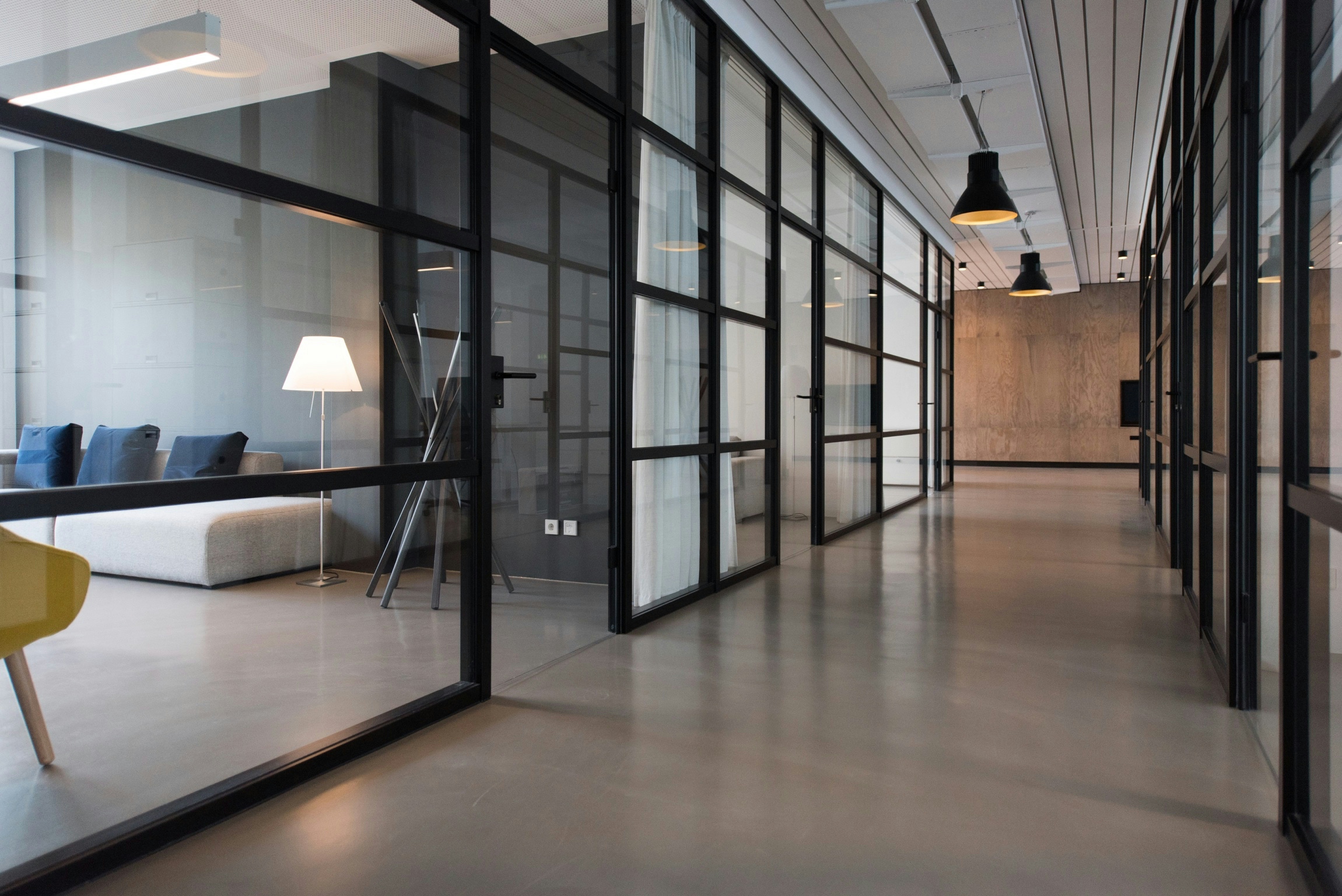
modern commercial office building with integrated LED ceiling lighting and glass partitions
Modern commercial office with integrated LED lighting and building automation controls.

The EU's revised Energy Performance of Buildings Directive took full effect on 29 May 2026. It mandates automatic lighting controls and building automation for all new commercial buildings. For overseas B2B importers, this redefines what fixtures qualify for European projects.

The rules are enforceable law across all 27 EU member states. Procurement managers sourcing lighting for European clients must verify compliance before shipping. Non-compliant products face border rejection and project delays.

Why EPBD 2026 Reshapes Lighting Procurement

The revised EPBD reached full application on 29 May 2026. All new commercial buildings in EU member states must now install automatic lighting control systems. Non-networked, traditional fixtures are no longer permitted in such projects.

This is not a future deadline. It is already enforceable law across 27 EU countries. Procurement managers sourcing lighting for European clients must verify compliance before shipping.

Existing commercial buildings face separate obligations. The EPBD renovation wave mandates lighting retrofits for the worst-performing non-residential stock by 2030, expanding through 2033.

Early tenders already reference EN 15193-1:2021 for energy performance. They also cite EN 15232-1:2017 for building automation classes. Buyers who ignore these standards risk rejected shipments and project delays.

The European lighting market remains attractive despite tighter rules. Chinese lighting exports to the EU grew 8% year-over-year in Q1 2026. End users pay roughly 30% more for smart, sustainable lighting.

Mandatory Smart Lighting Controls Under EPBD

smart lighting control hub with Philips Hue bridge and remote for building automation
Smart lighting control hub enabling DALI-2 and building automation integration.

EPBD compliance requires interoperable control protocols. Acceptable standards include DALI-2, KNX, and Matter-over-Thread. Fixtures without these protocols cannot be specified for new commercial builds.

The D4i Gen 2 driver mandate adds another layer. Drivers must support DALI-2 Parts 250 through 253. This covers energy metering and fault diagnostics capabilities.

Buildings must also meet Smart Readiness Indicator thresholds. This measures a building's capacity to adapt to user needs. Lighting systems directly impact SRI scoring.

Procurement specs should explicitly require DALI-2 certification. Request test certificates from suppliers before placing orders. Since June 2026, DALI-2 certification has been mandatory for LED exports to CE and GCC markets. A complete lighting design guide helps align controls with project requirements.

ESPR Ecodesign Specs Importers Must Meet

The Ecodesign for Sustainable Products Regulation sets mandatory technical thresholds. Non-directional LED luminaires must achieve at least 140 lumens per watt. Directional fixtures need at least 120 lumens per watt.

For a detailed efficiency breakdown, see our lumens to watts conversion guide. Understanding efficacy ratings prevents costly specification errors.

Standby power consumption must not exceed 0.5 watts. The stroboscopic visibility measure must stay at or below 0.4. Color rendering index must be 80 or higher — the same threshold EN 12464-1 office lighting specs require for European workplaces.

Endurance testing requires 3,600 hours of verified operation. L70 lifetime must reach at least 30,000 hours. Use our LED lifespan calculator to model depreciation.

ParameterESPR 2026 RequirementWhy It Matters
Non-directional efficacy≥ 140 lm/WMinimum energy efficiency floor
Directional efficacy≥ 120 lm/WSpot and downlight efficiency
Standby power≤ 0.5 WReduces idle energy draw
Stroboscopic SVM≤ 0.4Prevents flicker health issues
Color rendering (CRI)≥ 80Ensures color accuracy
L70 lifetime≥ 30,000 hoursLong-term lumen maintenance
Endurance test3,600 hoursVerified durability testing

Repairability is now a market-entry requirement under EN 45554. Products must achieve Class A or B repairability ratings. This drives a separable durable and consumable architecture.

For buyers comparing options, our LED vs traditional lighting comparison breaks down efficiency differences. Meeting ESPR thresholds starts with choosing the right technology.

Digital Product Passport & Documentation

The Digital Product Passport becomes mandatory from 2027. The EU DPP Registry opened in July 2026, and our DPP guide details the data fields, timelines, and buyer checklist for LED lighting. However, EPREL registration is already required before market launch. Non-EU manufacturers must appoint an EU Authorised Representative.

The eSeal registration costs approximately 650 euros per year. Suppliers without this registration cannot legally place products on EU markets. Importers should verify eSeal status during supplier audits.

Required documentation includes environmental product declarations. Suppliers must also provide integration test reports for control systems. These documents travel with products throughout their lifecycle.

Buyers should build a compliance documentation checklist early. Waiting until customs clearance is too late. Missing documents trigger border rejections and storage fees.

Sourcing Strategy: Tariffs vs Compliance

large industrial warehouse with rows of LED high-bay light fixtures on steel truss ceiling
Industrial warehouse with high-bay LED lighting requiring EPBD-compliant controls.

EU market access now depends on smart, sustainable, traceable design. US access depends primarily on country-of-origin tariff optimization and state-level energy codes such as Title 24 commercial lighting compliance. Importers serving both markets face a two-axis decision.

The US effective duty on Chinese LED products is approximately 28.4%. This combines a 3.4% MFN rate with 25% Section 301 tariffs. The EU base rate is only 2.7% for most LED products. Our 2026 LED import tariff guide compares rates and HS code strategies across the US, EU, UK, and Australia.

China's share of US lighting imports fell from 46.1% in 2022 to 36.7% in 2024. Roughly 1.67 billion dollars shifted to Vietnam, Cambodia, and Mexico. This trend accelerates as tariffs remain volatile.

For warehouse and factory projects, calculate returns using our industrial lighting ROI calculator. Compliant fixtures cost more upfront but avoid costly border rejections.

Solar-powered options can bypass some grid-dependent compliance issues. Explore our solar street lights for outdoor projects. These reduce energy reporting complexity under EPBD.

Action Steps for Compliance-Ready Procurement

modern retail boutique interior with warm pendant lighting and recessed ceiling lights
Retail boutique with compliant commercial lighting and DALI-2 controls.

Follow these steps to ensure EU-ready lighting procurement:

  1. Verify DALI-2 and D4i Gen 2 driver certification from suppliers before ordering.
  2. Confirm efficacy meets 140 lm/W for non-directional luminaires per ESPR rules.
  3. Request L70 test data showing at least 30,000 hours of verified operation.
  4. Check EPREL registration and eSeal status before placing any orders.
  5. Require environmental product declarations with every shipment.
  6. Calculate project returns using our ROI calculator.
  7. Document all compliance certificates for customs clearance and audits.

For emergency lighting compliance, review our LED emergency lighting standards guide. Safety systems face additional EN 15193 requirements.

Frequently Asked Questions

When did the EU EPBD take effect for lighting?

The revised EU EPBD became fully applicable on 29 May 2026. All new commercial buildings must now have automatic lighting control systems and building automation systems. Non-networked traditional fixtures are no longer permitted in such projects.

What DALI certification do EU commercial lighting projects require?

EU commercial lighting projects require DALI-2 with D4i Gen 2 drivers. This includes Parts 250 through 253 for energy metering and fault diagnostics. Fixtures without these certifications cannot be specified for new commercial builds.

Do non-EU lighting manufacturers need an EU Authorised Representative?

Yes. Non-EU manufacturers must appoint an EU Authorised Representative. EPREL registration is mandatory before market launch, and the eSeal costs approximately 650 euros per year since April 2025. The Digital Product Passport becomes mandatory from 2027.

Need help specifying EPBD-compliant lighting for your project?

Use our free professional lighting calculators to verify fixture counts, ROI, and LED lifespan before you source.

What to Do Next

EPBD and ESPR compliance is now a procurement requirement, not a future concern. The rules took effect on 29 May 2026 and enforcement is active.

Start by auditing your current suppliers for DALI-2 and EPREL readiness. Then build a documentation checklist for every shipment. Missing one certificate can block an entire container.

Share this article:

Wei Zhang

Lighting Engineer at Tonghua Lighting

Wei Zhang is a senior lighting engineer with over 10 years of experience in LED lighting design and manufacturing. He specializes in photometric analysis, IES-standard compliance, and B2B lighting solutions for commercial and industrial applications.

Related Articles

Outdoor LED Lighting Guide

Wall, post & flood lights specs for B2B

WhatsApp Email Products