Industrial Lighting

UFO vs Linear High Bay LED: 2026 B2B Selection Guide

A procurement guide to matching high-bay form factor, specs, and controls to industrial floor layouts for faster payback.

7 min read
·
Aug 20, 2026
·
By Wei Zhang, Lighting Engineer
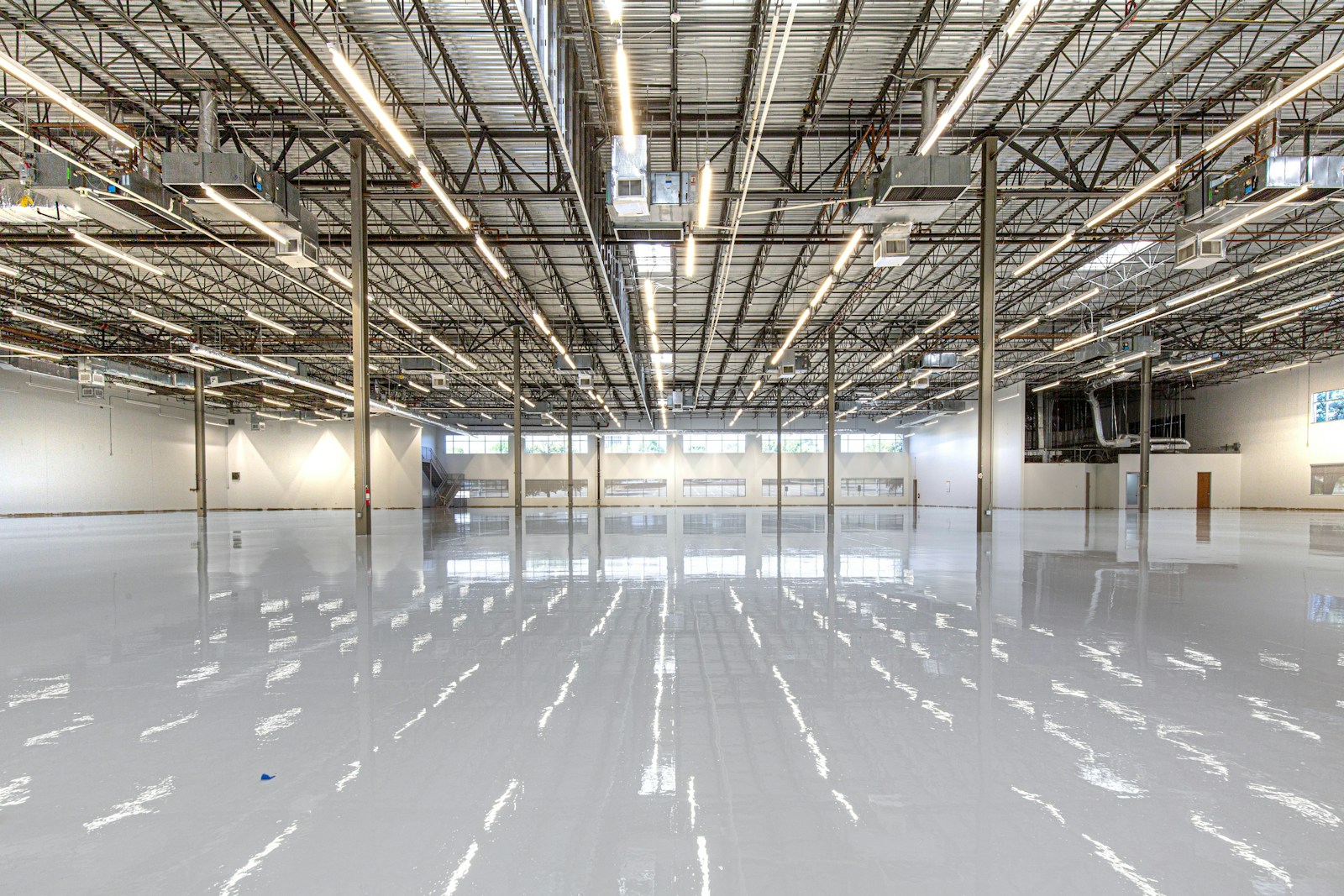
warehouse ceiling with rows of overhead high-bay LED fixtures illuminating a polished concrete floor
High-bay LED fixtures mounted overhead in a modern warehouse — the form factor choice starts at the ceiling.

Choosing between UFO and linear high-bay LED fixtures decides whether your industrial lighting project succeeds or stalls. The wrong form factor wastes energy, creates aisle shadows, and triggers costly callbacks. This guide covers the 2026 selection criteria B2B buyers need before placing an order.

Why Fixture Shape Decides Project ROI

Open-floor facilities and racked warehouses need completely different light distributions. Specifying the wrong high-bay shape wastes energy and leaves workers straining to see. The choice between UFO and linear form factors is an engineering decision, not a styling preference.

According to a Bees Lighting analysis, UFO high bays project a circular 120-degree beam ideal for open floors. Linear high bays throw a rectangular pattern built to defeat racking-aisle shadowing. Selecting the wrong shape causes uneven lighting and wasted energy from the first switch-on.

For B2B buyers, fixture shape drives maintenance, compliance, and payback together. A wrong specification here cascades into reorders and delayed project sign-off. Use our lighting design guide to map zones before requesting quotes.

UFO vs Linear: Match Form Factor to Floor Layout

spacious open-plan industrial interior with bright overhead lighting suited to UFO high-bay fixtures
Open manufacturing floors are the natural home for circular-beam UFO high bays.

UFO high bays suit open manufacturing floors, assembly bays, and bulk-storage zones. Their circular beam spreads evenly in all directions across unobstructed ceilings. Mount them at 6 to 12 metres for balanced, uniform coverage.

Linear high bays solve a specific problem: racking-aisle shadowing. Round fixtures over narrow aisles dump light onto top shelves, leaving lower rows dark. Linear optics throw light straight down the aisle face instead.

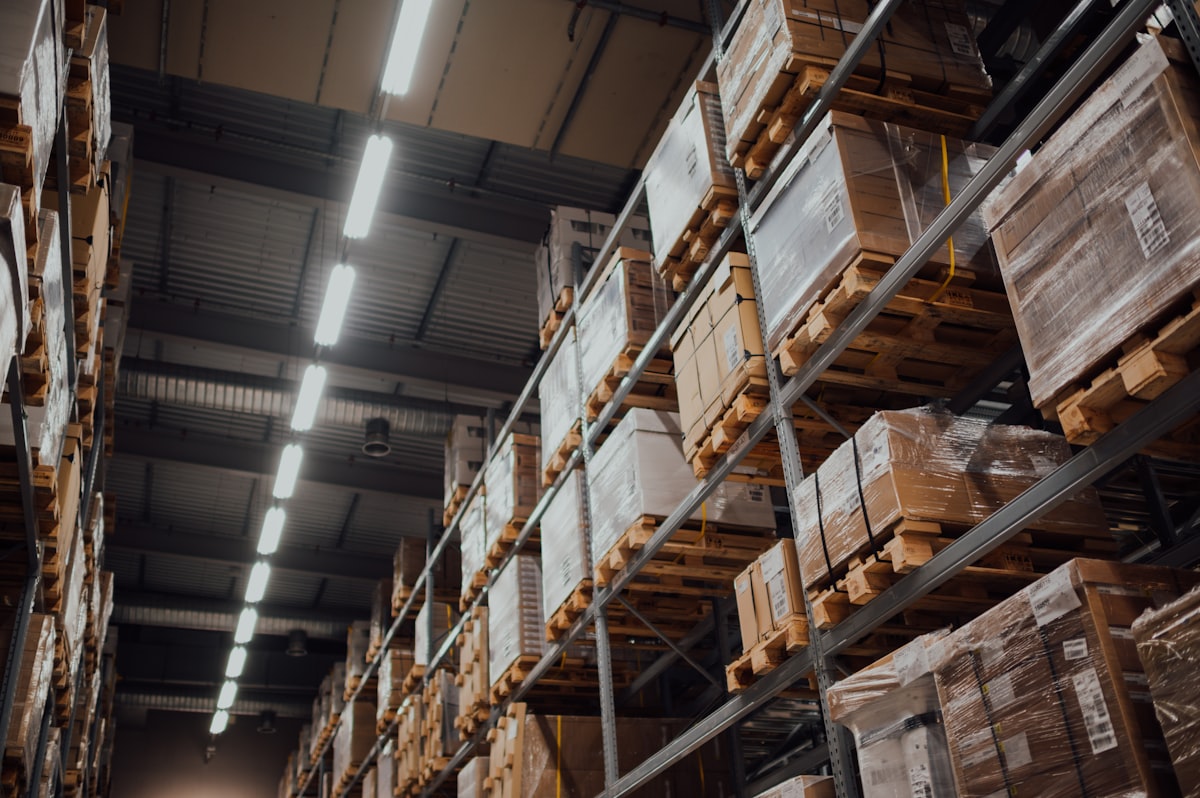
warehouse with tall pallet racking aisles where linear high-bay fixtures prevent shelf shadowing
Tall racking aisles demand linear high bays to light vertical shelf faces evenly.

The Bees Lighting ROI study tested both scenarios across a 10,000-square-foot facility. Open-floor UFO retrofits cut energy use by 62.5 percent. Racked-aisle linear retrofits cut load by 54.8 percent in the same building.

Always audit the floor layout before choosing a fixture form factor. Mixed facilities often need both types across different zones. For sizing help, check our lumens to watts conversion reference.

Technical Specs That Separate Quality High Bays

Specification grade matters more than wattage on a spec sheet. Demand documented efficacy above 150 lumens per watt for 2026 procurement. Lower figures signal outdated chips that will underperform within years.

Modern high bays rate 100,000 hours at L70, according to Bees Lighting fixture data. That lifespan eliminates a decade of lamp and ballast replacements. Verify L70 claims with LM-80 reports before you commit.

SpecUFO High BayLinear High Bay
Beam patternCircular, ~120°Rectangular, aisle-focused
Best applicationOpen floors, bulk storageRacked aisles, narrow lanes
Mounting height6–12 m6–15 m
Efficacy target150+ lm/W150+ lm/W
Lifespan (L70)100,000 h100,000 h
IP / IK ratingIP65+ / IK08IP65+ / IK08

Field-adjustable drivers are the procurement safeguard for 2026. Dip switches let installers step wattage down for lower ceilings on site. The same fixture then serves multiple ceiling heights across one project.

Specify IP65 or higher for dusty, humid, or wash-down environments. Request IK08 impact ratings where forklifts or debris are present. Always compare options using our LED versus traditional lighting comparison tool.

Real Project Data: What B2B Buyers Actually Saved

factory floor with workers and machinery lit by high-bay LED lighting at production height
A real industrial retrofit — measurable savings come from layout, not just the fixture swap.

A 35,000-square-foot US warehouse replaced 130 metal-halide fixtures with 88 UFO high bays. DIALux optimisation cut the fixture count by 32 percent while improving uniformity. The project achieved a 62 percent reduction in lighting electricity use.[$TRAE_REF](https://ksimpexp.com/warehouse-led-lighting-case-study-2026/)

According to the Kingseng warehouse case study, total annual savings reached 28,976 dollars across energy, maintenance, and demand charges. Simple payback came in 20 months on a 52,000-dollar investment. Over ten years, net savings exceeded 241,000 dollars after cost recovery.

The hidden wins came from layout and controls, not the fixture swap alone. Optimised placement saved 42 fixtures and roughly 8,800 dollars in hardware. Zone dimming added 20 percent savings beyond raw LED efficiency.

Model your own numbers with our Industrial Lighting ROI Calculator before approving a purchase order. It converts fixture wattage, hours, and rates into a payback period. Run it alongside the ROI calculator for demand-charge scenarios.

Smart Controls and Code Compliance

rows of legacy fluorescent ceiling lights being replaced by LED high-bay retrofits
Legacy fluorescent grids are the baseline modern controls outperform by 20 to 30 percent.

Energy codes now mandate controls on most commercial high-bay installations. Occupancy sensors and daylight harvesting can add 20 to 30 percent savings on top of LED efficiency. Skip them and you fail Title 24 and ASHRAE 90.1 compliance.

Look for plug-and-play control ports on the fixture body. These accept occupancy or daylight modules without opening the driver compartment. They let one fixture family adapt to multiple regional energy codes.

Demand-charge savings are invisible on a basic energy calculator but real. The US warehouse case cut connected load by 40.3 kilowatts. That alone saved over 4,000 dollars per year in demand charges.

Estimate fixture lifespan under your operating profile with our LED lifespan calculator. Pair it with compliant LED emergency lighting specs for industrial backup requirements.

Action Steps: Specifying High-Bay LED Fixtures

Specifying high-bay LED fixtures follows a repeatable framework. Skip a step and the project loses money to callbacks or reorders. Use this checklist before you request supplier quotations.

  1. Audit the floor layout. Map open zones versus racked aisles before picking a form factor.
  2. Set lux targets per zone. Use EN 12464-1 or IES levels, not supplier guesswork.
  3. Run a DIALux simulation. Optimised layouts cut fixture count by up to 32 percent.
  4. Specify field-adjustable fixtures. One SKU then serves multiple ceiling heights and zones.
  5. Request full test data. Demand LM-79, LM-80, IES photometric files, and flicker reports.
  6. Plan spare parts early. A spare driver swapped in 45 minutes beats a two-week warranty wait.
  7. Model the payback. Confirm numbers with our industrial ROI calculator before you commit.

Frequently Asked Questions

Which is better, UFO or linear high-bay LED fixtures?

Neither is universally better. UFO high bays suit open floors with their circular 120-degree beam. Linear high bays defeat racking-aisle shadowing in narrow aisles. Match the form factor to your floor layout, not to trends.

How much can a warehouse save with LED high-bay retrofits?

A real 35,000-square-foot warehouse cut lighting electricity by 62 percent and saved 28,976 dollars per year. Simple payback was 20 months on a 52,000-dollar investment. Layout optimisation and zone dimming drove most of the extra savings.

What specs should B2B buyers require for high-bay LED fixtures?

Require efficacy above 150 lumens per watt and a 100,000-hour L70 lifespan. Add IP65 and IK08 ratings for harsh industrial environments. Always request LM-79, LM-80, and IES photometric files before placing an order.

Need to model payback for your high-bay LED project?

Use our free Industrial Lighting ROI Calculator — it turns fixture wattage, operating hours, and electricity rates into a clear payback period.

What to Do Next

High-bay LED selection is a system decision, not a single fixture order. Form factor, specs, controls, and layout optimisation must align to hit payback targets. Get one wrong and the whole project underperforms.

For B2B buyers, the specification process is clear but unforgiving. Match the form factor to the floor, demand documented test data, and model payback before ordering. Do this and your client gets a facility that performs for a decade.

At Tonghua Lighting, we manufacture high-bay fixtures in Haining with full photometric and lifespan documentation. We supply IES files, LM-80 reports, and flicker compliance on every order. If your supplier cannot answer these questions, we can.

Share this article:

Wei Zhang

Lighting Engineer at Tonghua Lighting

Wei Zhang is a senior lighting engineer with over 10 years of experience in LED lighting design and manufacturing. He specializes in photometric analysis, IES-standard compliance, and B2B lighting solutions for commercial and industrial applications.

Related Articles

WhatsApp Email Products