Procurement

The 2026 LED Import Tariff Guide for Global B2B Buyers

Duty rates, HS code strategies, and FTA optimization for US, EU, UK, Australia, Canada, and GCC markets. Includes CBAM carbon cost forecasting for procurement teams.

7 min read
·
Aug 4, 2026
·
By Wei Zhang, Lighting Engineer
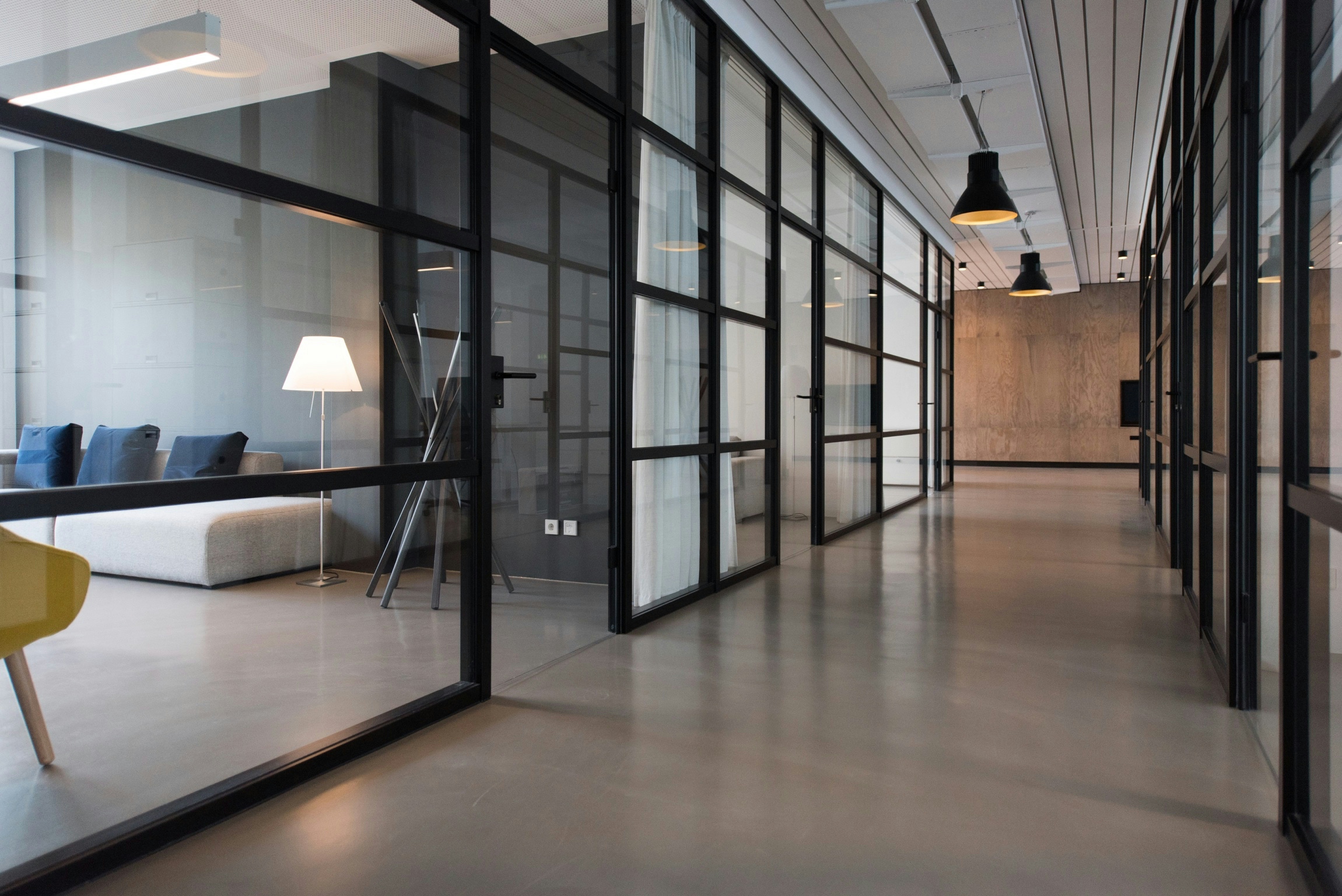
modern commercial office building with LED ceiling lighting and large windows
Commercial office lighting projects face varying import duties across global markets in 2026.

LED lighting import tariffs vary dramatically across global markets in 2026. Rates range from 0% in Australia to nearly 29% in the United States. This guide breaks down duty rates, HS code strategies, and FTA opportunities for B2B procurement teams. Pair it with our LED lights buying guide for product-level specification checklists.

According to a 2026 global tariff reference, Chinese-made LED products face radically different duty structures by destination. Understanding these differences can shift your landed cost by 20% or more per shipment.

For procurement managers handling high-volume orders, tariff optimization is not optional. It directly impacts project margins and competitive positioning. This guide covers six major markets with current Q2 2026 data.

Why Tariff Rates Vary So Widely Across Markets

Tariff differences stem from trade agreements, political policies, and product classifications. The US imposes Section 301 tariffs on Chinese goods as a trade policy measure. Australia eliminates duties entirely under the ChAFTA free trade agreement.

These variations mean the same LED fixture can cost 28% more to import into the US than Australia. For a $100,000 order, that is a $28,000 difference in duties alone. Procurement teams must factor this into market-specific pricing strategies.

The LED vs traditional lighting comparison helps evaluate whether tariff-inclusive LED costs still beat alternatives. Always calculate total landed cost, not just unit price.

United States: Section 301 Impact

cargo containers at international shipping port ready for LED lighting import
Shipping ports handle thousands of LED lighting containers daily, each subject to different tariff rates.

The US applies a 3.4-3.9% MFN duty plus 25% Section 301 tariff on Chinese LED products. This results in an effective rate of approximately 28.4-28.9% for most LED fixtures. Section 301 exclusions for LED products expired in 2024 and remain unrenewed.

For B2B importers, a $50,000 fixture order incurs over $14,000 in duties alone. Smart buyers explore component-level classification to reduce this burden. LED modules under HS 8541.40 may qualify for different treatment than finished fixtures.

Use the industrial lighting ROI calculator to factor duties into payback analysis. The calculator includes energy savings, maintenance costs, and initial investment for accurate projections.

Work with a licensed customs broker to verify HS code classification. Misclassification penalties can exceed your tariff savings. Always document your classification rationale in writing for audit protection.

European Union: Low Rates, Rising Compliance

EU base tariff rates are just 2.7-4.7% for LED lighting products. LED chips classified under HS 8541.40 benefit from 0% duty under the WTO ITA. This creates opportunities for modular import strategies.

However, the revised EPBD effective May 29, 2026 adds significant compliance costs. New commercial buildings must use smart lighting with DALI-2 and D4i certification. These requirements offset the low tariff advantage.

The ESPR Digital Product Passport adds documentation requirements for all lighting products. Importers must provide lifecycle carbon footprint declarations. Plan for additional certification and testing costs of 5-8% of product value.

For retail projects in the EU, see our retail lighting design guide. The lighting design guide covers compliance-aware specification planning for commercial spaces.

Australia and UK: FTA Advantages

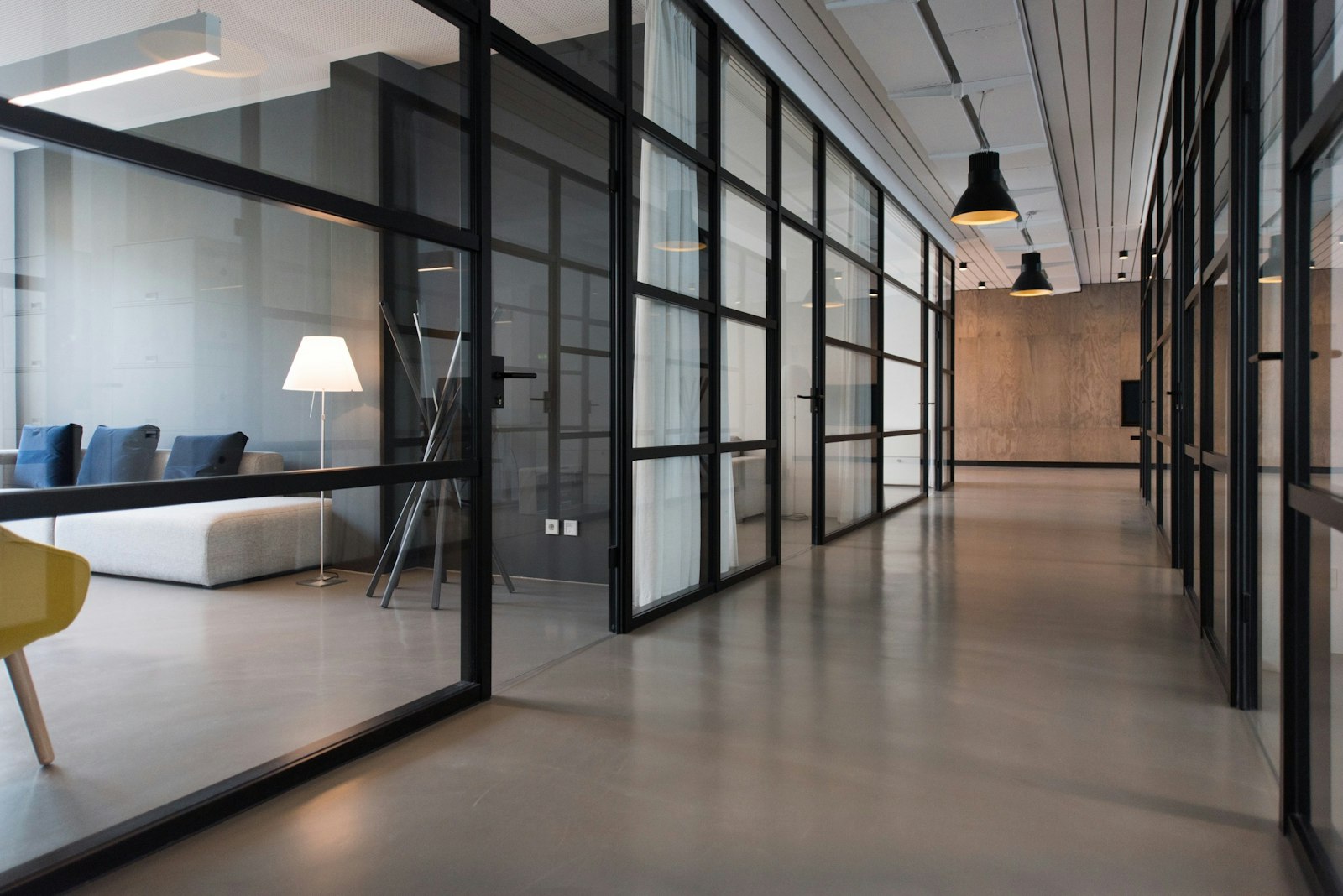
modern office interior with LED panel lighting and bright workspace
Office lighting projects in Australia benefit from 0% ChAFTA duty rates with proper documentation.

Australia offers 0% duty on LED lighting under the China-Australia Free Trade Agreement. This requires a valid Certificate of Origin accompanying each shipment. Without ChAFTA documentation, the MFN rate of 5% applies.

This makes Australia the most tariff-friendly Western market for Chinese LED products. Importers should ensure suppliers provide proper ChAFTA origin certificates. The documentation process typically takes 3-5 business days per shipment.

The UK applies a flat 2% duty under the UK Global Tariff post-Brexit. Canada offers 0% duty on LED lamps under MFN rates. The GCC applies a uniform 5% across all member states.

For solar lighting imports, see our solar street lights product page. Solar products may qualify for additional duty reductions under RCEP in Asian markets.

HS Code Classification Strategy

Correct HS code classification directly impacts your landed cost. LED fixtures fall under Chapter 94 (HS 9405.10-9405.99). LED chips and modules use Chapter 85 (HS 8541.40).

HS CodeProduct CategoryUS RateEU RateAU Rate
9405.10LED Ceiling & Wall Fixtures28.9%2.7%0% (ChAFTA)
9405.40LED Outdoor & Street Lighting28.9%2.7%0% (ChAFTA)
8539.50LED Lamps (bulb replacement)28.4%2.7%0% (ChAFTA)
8541.40LED Chips & Modules0% (ITA)0% (ITA)0% (ITA)

LED modules under HS 8541.40 are duty-free in most markets under the ITA. This creates a strategy: import chips separately from fixtures. Assembly at destination can reduce total duty burden significantly.

The lumens to watts conversion guide helps specify correct product categories. Proper specification ensures accurate HS code assignment from the start.

CBAM and Future Carbon Costs

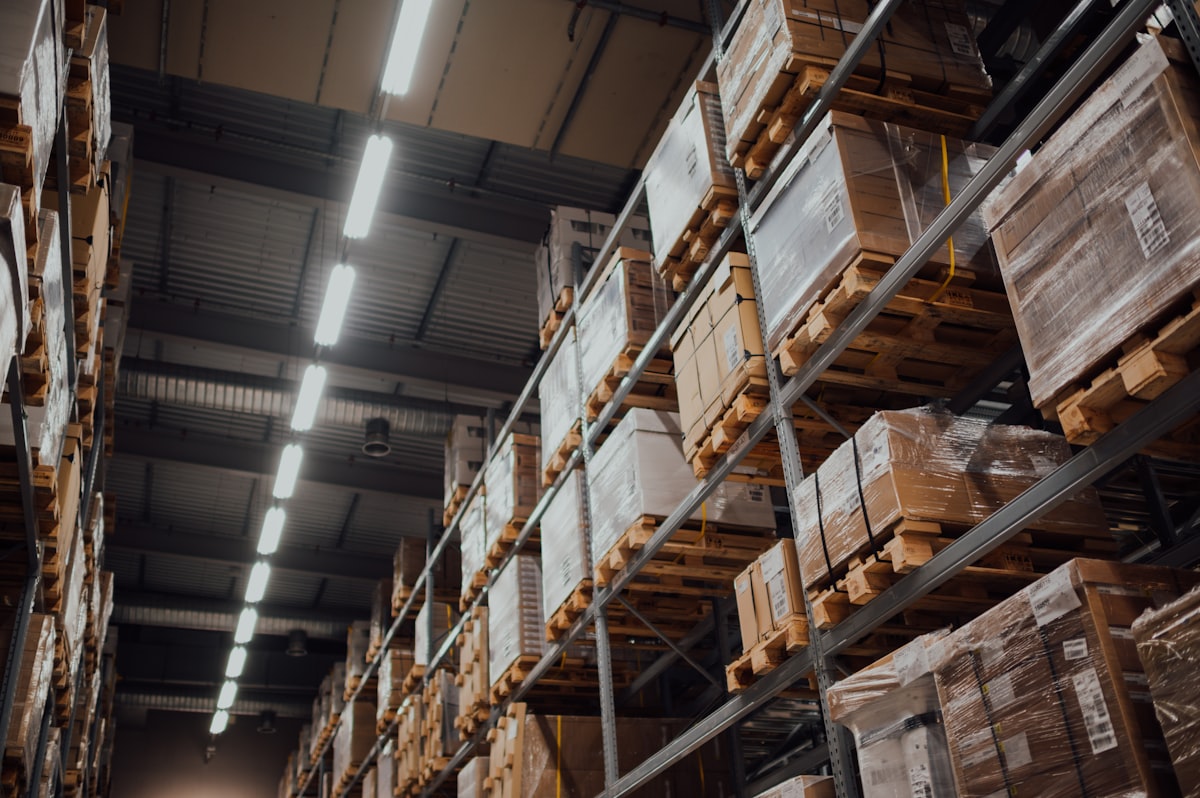
large warehouse interior with high bay LED lighting fixtures installed on ceiling trusses
Warehouse lighting retrofits must factor in future CBAM carbon costs for EU-bound shipments.

The EU Carbon Border Adjustment Mechanism (CBAM) entered full enforcement in 2026. It currently covers steel, cement, and aluminum products. Solar lighting may be included in the expanded CBAM scope soon.

Importers should prepare carbon footprint documentation now. CBAM calculations are based on embedded emissions in imported products. This adds a new cost variable for EU-bound lighting shipments.

For ROI planning that includes carbon costs, use our ROI calculator. Factor in potential CBAM fees of 2-5% of product value for high-emission categories.

Monitor CBAM expansion announcements quarterly. The European Commission reviews scope every two years. Early preparation gives your procurement team a competitive advantage.

Action Steps for Procurement Teams

  1. Verify HS code classification with a licensed customs broker before placing orders.
  2. Secure Certificates of Origin for all FTA-eligible shipments to access preferential rates.
  3. Separate LED chips from fixtures when possible for duty optimization under ITA rules.
  4. Factor EPBD and ESPR compliance costs into EU project budgets at 5-8% of product value.
  5. Prepare carbon footprint documentation for future CBAM requirements on EU shipments.
  6. Recheck tariff rates quarterly as trade policies shift rapidly in 2026.
  7. Use the LED lifespan calculator to project long-term savings that offset tariff costs.

Frequently Asked Questions

What is the US import tariff for Chinese LED lighting in 2026?

The US applies a 3.4-3.9% MFN duty plus 25% Section 301 tariff on Chinese LED products. This results in an effective rate of approximately 28.4-28.9%. Section 301 exclusions for LED products expired in 2024 and have not been renewed.

Which country has the lowest LED import tariff?

Australia offers 0% duty on LED lighting under ChAFTA with a valid Certificate of Origin. Without documentation, the MFN rate of 5% applies. This is the most favorable regime among Western markets for Chinese LED.

Are LED chips and modules duty-free?

Yes, in most major markets. LED chips under HS 8541.40 benefit from 0% duty under the WTO Information Technology Agreement. This applies in the EU, US, and many other countries worldwide.

Need help calculating total landed cost for your lighting project?

Use our free ROI calculator to factor in tariffs, energy savings, and maintenance costs for accurate project budgeting.

What to Do Next

Tariff optimization is a continuous process, not a one-time task. Trade policies shift, FTA terms update, and new regulations like CBAM expand scope regularly. Your procurement strategy must adapt accordingly.

Start by auditing your current HS code classifications with a customs broker. Then map your sourcing routes to FTA-advantaged markets where possible. Finally, build carbon documentation processes before CBAM expands to lighting.

At Tonghua Lighting, we provide full compliance documentation including CE, RoHS, and EPBD-compatible certifications on every order. We help B2B buyers navigate tariff structures across 40+ export markets. If your current supplier cannot answer tariff questions, we can.

Share this article:

Wei Zhang

Lighting Engineer at Tonghua Lighting

Wei Zhang is a senior lighting engineer with over 10 years of experience in LED lighting design and manufacturing. He specializes in photometric analysis, IES-standard compliance, and B2B lighting solutions for commercial and industrial applications across 40+ export markets.

Related Articles

WhatsApp Email Products