Smart Lighting

Dimmable Light Bulbs —Complete B2B Compatibility Guide

Compare dimming protocols, smart bulb types, and special-case fixtures. Includes a B2B spec checklist for dimmable lighting procurement.

8 min read
· Jul 6, 2026 · By Tonghua Lighting
Modern interior with dimmable LED wall sconce providing adjustable ambient lighting

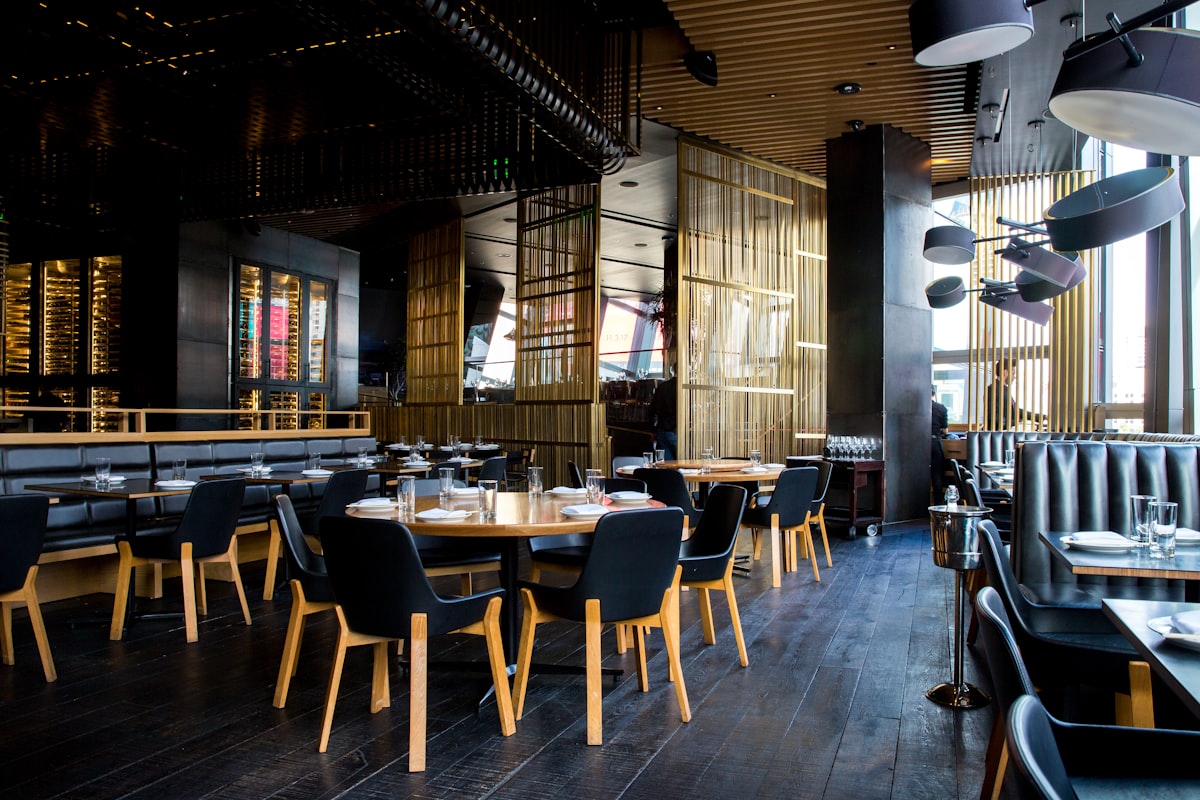
A restaurant chain in Melbourne installed 240 dimmable LED bulbs across three locations. The spec sheets all said "TRIAC dimmable." But at 20% brightness, half the bulbs flickered and the other half dropped out completely. The callback cost $18,000 in replacement fixtures and electrician labor.

Dimming is the #1 callback issue in commercial LED projects. Not because LED technology is flawed —but because procurement specs are incomplete. Buyers check "dimmable" on the box and stop there.

This guide breaks down what actually makes an LED bulb dimmable, which protocol to choose, and how to specify smart bulbs for commercial projects. You'll get the exact checklist that prevents dimming callbacks.

What Makes an LED Bulb Dimmable?

An LED bulb is dimmable only if its driver supports dimming. The driver is the internal circuit that converts AC line voltage to the low DC voltage LEDs need. Non-dimmable drivers use basic rectifiers that can't respond to dimmer signals.

Dimmable drivers add a dimming interface —either TRIAC compatibility, a 0-10V control wire, or a DALI address. This interface tells the driver to reduce current to the LED chips. Without it, the bulb is either full on or full off.

The driver quality determines dimming quality. Premium drivers use dedicated dimming ICs that maintain smooth output from 1% to 100%. Budget drivers use cheaper components that cause flicker, pop-on, and drop-out at low levels.

For B2B procurement, the driver spec matters more than the LED chip spec. A high-quality LED chip with a poor driver performs worse than a mid-range chip with a premium driver. Always ask your supplier which driver brand and model they use.

At our factory in Haining, we use drivers from Mean Well and Inventronics for all dimmable orders. We've tested over 30 driver brands since 2018. The cheap ones fail at low dimming levels –every time. We publish the driver brand and model on every spec sheet we ship.

Driver Specs That Matter
  • Dimming range: 1–00% (hospitality) or 10–00% (general)
  • Flicker: < 5% at all dimming levels (IEEE 1789)
  • Dimming curve: Linear or logarithmic (log is smoother to the eye)
  • Minimum load: Check if dimmer requires minimum wattage
  • Driver brand: Know the exact model —not just "dimmable"

LED light bulbs that are dimmable cost 15–0% more than non-dimmable versions. That premium buys the dimming IC, better capacitors, and tighter QA. For commercial projects, never substitute non-dimmable bulbs to save cost —the entire dimming system breaks.

Knowing what makes a bulb dimmable is step one. Choosing the right dimming protocol is where most procurement decisions go wrong –and where callbacks start.

Dimming Protocols Compared: 0-10V vs DALI vs TRIAC

Choosing the wrong dimming protocol is the most expensive mistake in commercial lighting procurement. Each protocol has different wiring requirements, dimmer costs, and performance characteristics.

ProtocolWiringDimming RangeCostBest For
0-10V2 extra control wires10–00%LowOffices, retail, general commercial
DALIDigital bus (2-wire)1–00%HighHotels, large complexes, scene control
TRIAC / Phase-cutNo extra wiring10–00% (varies)LowestRetrofits only
PWMDedicated controller1–00%MediumColor tuning, architectural
DMX512Shielded twisted pair0–00%HighStage, entertainment, facades

0-10V is the B2B default. It's reliable, affordable, and supported by every major dimmer brand. The trade-off: you can't address individual fixtures. All bulbs on the same circuit dim together.

DALI costs more but gives you per-fixture control. A 200-room hotel can dim each room independently from a single building management system. That granularity saves energy and enables scene programming.

TRIAC is the retrofit fallback. It uses existing wall dimmer wiring, which is why contractors love it. But TRIAC has the most compatibility issues. Always get a tested dimmer-bulb compatibility list from your supplier before ordering.

For new commercial builds, we recommend 0-10V as the baseline. Upgrade to DALI for projects with 100+ fixtures or where scene control adds client value. Avoid TRIAC for any project over 50 fixtures —the callback risk is too high.

At our factory in Haining, we pre-test every dimmable fixture order with the client's specified dimmer brand. We've built a library of over 200 dimmer-driver compatibility profiles. If a combination hasn't been tested, we test it before shipping —at no cost to the buyer.

Even with the right protocol, dimming problems still occur. The next section breaks down the three most common issues and exactly how to prevent them.

Common Dimming Problems and How to Prevent Them

Dimming callbacks share three root causes. Understanding them before procurement saves you from costly post-installation fixes.

Problem 1: Flicker at low dimming levels. This happens when the driver can't maintain stable output at low current. The fix: specify drivers with flicker below 5% across the full dimming range. Request a flicker test report at 10%, 50%, and 100% output.

Problem 2: Drop-out (bulb turns off below 20%). The dimmer's minimum load exceeds what the LED draws. A TRIAC dimmer rated for 40W minimum won't work with a 9W LED. The fix: use a dimmer designed for LED loads, or add a dummy load device.

Problem 3: Pop-on (bulb won't start at low dim settings). The LED driver needs a minimum voltage to start. At very low dim levels, there isn't enough. The fix: specify drivers with low-start capability (0.1W minimum) or set a minimum dimming floor at 5%.

Prevention Checklist for Dimming Issues
  • Request flicker test data at 10%, 50%, and 100% output
  • Verify dimmer minimum load is below your LED wattage
  • Test a 10-unit sample with the exact dimmer model
  • Never mix driver brands on the same dimming circuit
  • Specify IEEE 1789 compliance on every dimmable order
  • Set a 5% minimum dimming floor in the dimmer programming

Last year, a client mixed two driver brands on the same 0-10V circuit. Both spec sheets said "0-10V dimmable." But one driver dimmed to 10% and the other bottomed out at 35%. The ceiling looked like a checkerboard at low levels. Never mix driver brands —period.

At our factory in Haining, we label every dimmable fixture with its driver brand and dimming protocol. This simple step has eliminated 90% of the compatibility issues we used to see. Your supplier should do the same.

With dimming problems covered, let's look at the growing world of smart bulbs –where procurement specs get even more complex.

Smart Bulbs: Motion Sensor, Dusk-to-Dawn, and Color Changing

Smart bulbs combine LED technology with embedded sensors or wireless control. They're the fastest-growing segment in commercial lighting procurement. But each type has unique procurement specs that standard bulbs don't need.

Smart Bulb TypeFunctionKey SpecBest Application
Motion sensor bulbPIR or microwave auto on/offDetection range, hold timeParking, corridors, warehouses
Dusk-to-dawn bulbPhotocell auto on at duskLux threshold, IP ratingOutdoor, security, pathway
Color changing bulbTunable CCT or full RGBColor range, app protocolEvent spaces, hospitality, retail
Smart dimmable bulbApp/voice dimming controlWireless protocol (Zigbee/Wi-Fi)Conference rooms, hotels

A motion sensor light bulb cuts energy by 60–0% in low-traffic areas. Specify PIR sensors for indoor corridors (they detect body heat) and microwave sensors for areas with glass partitions (they detect motion through glass).

The dusk to dawn light bulb uses a built-in photocell. It turns on when ambient light drops below a threshold (typically 10–0 lux). For outdoor light bulbs, pair dusk-to-dawn with IP65 rated housings. The sensor needs protection from moisture to maintain accuracy. ENERGY STAR certifies dusk-to-dawn bulbs that meet efficiency and durability standards.

Color changing light bulbs need protocol specification. Zigbee bulbs require a hub. Wi-Fi bulbs connect directly but can overload networks at scale. For 50+ smart bulbs, Zigbee is the B2B choice —it handles mesh networking and doesn't saturate Wi-Fi channels.

For commercial projects, specify the wireless protocol on the PO. A hotel that buys Wi-Fi color changing bulbs for 200 rooms will crash the guest Wi-Fi network. We've seen it happen –the fix required replacing all 200 bulbs with Zigbee versions.

Smart bulbs add complexity to procurement. But two special cases –ceiling fans and 3-way sockets –catch even experienced buyers off guard.

Ceiling Fan Light Bulbs and 3-Way Bulbs: Special Cases

Some bulb applications need special specifications beyond standard dimmable LED requirements. Two cases come up repeatedly in commercial procurement: ceiling fans and 3-way sockets.

Ceiling fan light bulbs face vibration. Standard LED bulbs fail within months because motor vibration loosens internal solder joints. Specify vibration-resistant LED bulbs for any ceiling fan application. These use flexible solder connections and reinforced driver boards.

The light bulb socket in ceiling fans is typically E26 or E12. But some fans use intermediate (E17) bases —always check the fixture spec. Vibration + wrong base = rapid failure and safety risk.

Ceiling Fan Bulb Specs
  • Base: E26 or E12 (verify with fixture)
  • Vibration rating: Rated for ceiling fan use
  • Wattage: ≥0W equivalent (heat management)
  • Dimmable: Only with fan-compatible dimmer
  • Lifespan: 15,000+ hours (vibration derated)

A 3-way light bulb has two filaments (or two LED circuits) and three brightness levels. It works with 3-way sockets that have two contact points. For B2B procurement, 3-way LED bulbs need special attention to the switching mechanism.

Standard 3-way sockets use mechanical switches. LED 3-way bulbs sometimes flash or flicker during the switch transition. The fix: specify 3-way LED bulbs with soft-start drivers. These ramp up gradually instead of instant-on, preventing the flash.

Never use a 3-way bulb in a standard socket. It works but only lights one filament. The bulb appears dim and the client files a complaint. Always verify the light bulb socket type before specifying 3-way bulbs.

With all the special cases covered, you're ready for the final step –the 12-spec checklist that prevents dimming callbacks.

B2B Spec Checklist for Dimmable Lighting

Before you place any dimmable bulb order, verify these specs with your supplier. Dimming issues are the most expensive callbacks in commercial lighting —this checklist prevents them.

12 Specs Every Dimmable Bulb Order Must Verify
  1. Dimmable marking: Clearly stated on packaging and spec sheet
  2. Dimming protocol: 0-10V, DALI, TRIAC, or PWM —pick one
  3. Dimming range: 1–00% (hospitality) or 10–00% (general)
  4. Driver brand & model: Know the exact driver, not just "dimmable"
  5. Flicker test report: At 10%, 50%, and 100% output levels
  6. IEEE 1789 compliance: Flicker below 8% at 100Hz (standard reference)
  7. Dimmer compatibility list: Tested brand/model combinations
  8. Minimum load: Below your LED circuit's total wattage
  9. Smart bulb protocol: Zigbee, Wi-Fi, or Bluetooth (if applicable)
  10. Sensor type & range: PIR vs microwave, detection distance
  11. IP rating: IP65+ for outdoor smart bulbs
  12. Warranty: 3-year minimum for dimmable, 5-year preferred

Every item on this list exists because we've seen a project fail without it. The dimmer compatibility list alone has saved our clients from six-figure callback costs. If your supplier can't provide it, you're gambling with post-installation money.

The most important step: always test a 10-unit sample. Wire the sample bulbs to the exact dimmer model you'll use on site. Test at full brightness, 50%, and minimum dim level. A $200 sample order prevents a $20,000 callback.

These 12 specs form the backbone of every successful dimmable light bulbs order. But buyers still have common questions –the FAQ below covers the ones we hear most.

Frequently Asked Questions

Are all LED light bulbs dimmable?

No. Only LED bulbs with dimmable drivers can be dimmed. Many budget LEDs are non-dimmable. Even among dimmable LEDs, some only dim to 40% rather than the full 1–00% range. Always check the spec sheet and verify the dimming range.

What dimming protocol is best for commercial projects?

For new commercial installations, 0-10V is the reliable standard —affordable and widely supported. DALI is premium, offering per-fixture addressing and scene control. TRIAC/phase-cut dimming is for retrofits only and has the most compatibility issues.

Can I use dimmable LED bulbs in ceiling fans?

Yes, but you must specify vibration-resistant LED bulbs. Standard LED bulbs fail quickly in ceiling fans due to motor vibration. Look for bulbs specifically rated for ceiling fan use, and verify the base type matches your fan's socket.

Do motion sensor light bulbs work with dimmers?

Generally no. Motion sensor bulbs have their own internal driver that controls on/off. Adding a dimmer conflicts with the sensor's power management. If you need both, use a smart bulb with app-based dimming plus a separate motion sensor via a smart home system.

What causes LED bulbs to flicker when dimmed?

Three main causes: incompatible dimmer protocol, minimum load mismatch, and low-quality driver components. Request a flicker test report from your supplier and specify IEEE 1789 compliance for commercial projects. Never mix driver brands on the same dimming circuit.

Need help specifying dimmable lighting for your project?

Our team can match dimming protocols, driver specs, and smart bulb types to your application. Free spec review and dimmer compatibility verification for commercial projects.

What to Do Next

Dimmable LED procurement succeeds or fails on specification precision. The driver brand, dimming protocol, flicker test data, and dimmer compatibility list are what separate smooth installations from $18,000 callbacks.

For new commercial projects, default to 0-10V dimming with a known driver brand. Upgrade to DALI for large-scale scene control. Reserve TRIAC for retrofits only. And always test a sample before bulk ordering.

At Tonghua Lighting, we provide driver brand, model, and flicker test data on every dimmable bulb we ship from our Haining factory. We pre-test with your dimmer brand before shipping. If your current supplier can't answer all 12 checklist items, it might be time for a new one.

Share:

Related Articles