
Standards

Smart Lighting Protocols: The 2026 B2B Procurement Guide

A B2B buyer's guide to DALI-2, D4i, Matter, KNX, and Zhaga-D4i for EU EPBD compliance. Certification, costs, and procurement steps explained.

7 min read
·
Aug 2, 2026
·
By Wei Zhang, Lighting Engineer

Smart lighting protocols now decide which fixtures qualify for EU commercial projects. The 2026 EPBD revision mandates interoperable automation in every new commercial building. For procurement teams, choosing the right protocol protects every order.

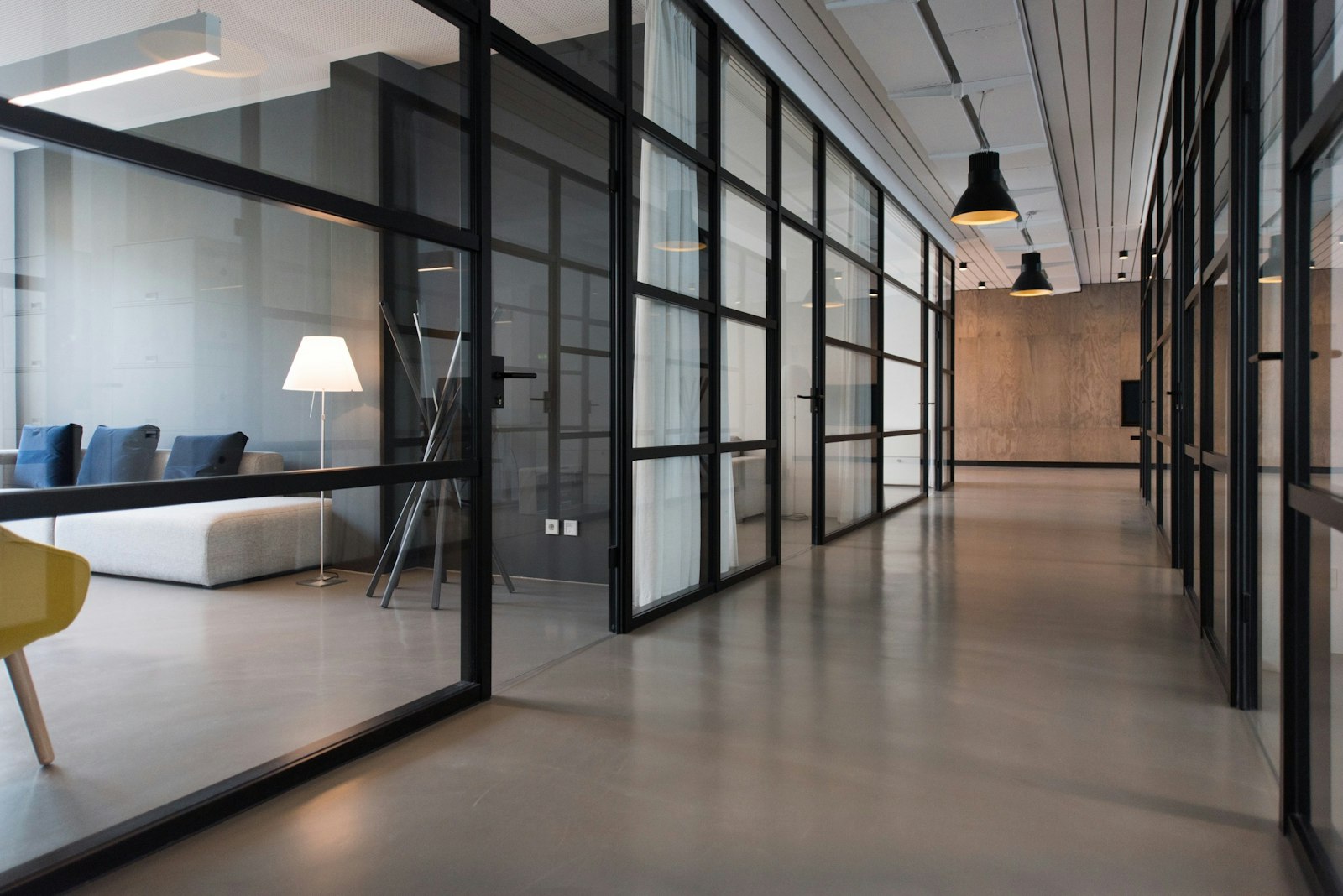
Modern commercial office building with glass walls and integrated smart lighting
Modern commercial buildings now require interoperable smart lighting controls under the EU EPBD revision. Photo: Unsplash.

Why Protocols Drive Procurement in 2026

The revised EU EPBD took full effect on 29 May 2026. It requires automatic lighting controls in every new commercial building. Non-networked fixtures no longer qualify for these projects.

Accepted protocols include DALI-2, KNX, and Matter-over-Thread. Proprietary systems without public-procurement adoption carry real risk. Buyers must verify certification before placing bulk orders.

Protocol choice also affects long-term maintenance costs. Standardized systems simplify upgrades and spare-part sourcing. This protects total cost of ownership across a project lifecycle.

Many buyers still weigh LED against traditional systems before upgrading. But protocol readiness now matters as much as luminous efficacy. A high-lumen fixture without automation support may fail tender screening.

DALI-2 and D4i: The Compliance Baseline

DALI-2 is the foundation for most commercial lighting automation. It standardizes dimming, grouping, and device-level control. D4i extends DALI-2 with mandatory energy and diagnostics data. Since June 2026, DALI-2 certification has been mandatory for exported smart lighting entering CE and GCC markets.

Every D4i-certified LED driver acts as a reporting data node. It tracks power consumption, asset info, and fault diagnostics. This data powers predictive maintenance and ISO 50001 reporting.

For buyers, D4i certification is now a practical baseline. Request driver datasheets and DiiA registration numbers from suppliers. Reject SKUs that lack standardized energy reporting.

D4i diagnostics also help you estimate LED lifespan across a project. If drivers report flicker, see our LED flicker guide before reordering. Early diagnosis prevents costly callbacks and replacement shipments.

Open-plan office with automated lighting and people working at computers
DALI-2 and D4i-certified drivers enable device-level control and energy reporting in commercial offices. Photo: Unsplash.

Matter and KNX: Wireless Integration

Matter-over-Thread is gaining traction in smart building projects. It offers secure, cross-brand wireless mesh connectivity. Major lighting brands already ship Matter-certified controllers.

KNX remains the established choice for large building automation. It integrates lighting with HVAC, shading, and access control. KNX projects often carry higher engineering and commissioning costs.

Wireless Matter suits retrofits where new cabling is impractical. Wired KNX fits new builds needing deterministic, high-reliability control. Match the protocol to your project's wiring and budget.

For retail lighting design, wireless Matter controls ease store refits. They pair well with standard lumen planning after you convert lumens to watts. Specify controller capacity before finalizing fixture counts.

Zhaga-D4i for Outdoor and Solar Lighting

Zhaga-D4i combines a standardized connector with D4i data standards. It enables plug-and-play sensors and communication nodes on luminaires. This modularity is ideal for outdoor and solar street lighting.

Solar-powered street light with sensor mounted on a pole against a blue sky
Zhaga-D4i sockets on solar street lights enable plug-and-play sensors for smart-city networks. Photo: Unsplash.

Municipal networks use Zhaga-D4i for motion and air-quality sensors. The interface supports future smart-city upgrades without rewiring. Buyers sourcing solar street lights should specify Zhaga-D4i sockets.

Zhaga-D4i also simplifies compliance documentation for outdoor tenders. The standardized socket proves interoperability at a glance. Ask suppliers for Zhaga-D4i certificates on every outdoor SKU.

Comparing Protocol Costs and Lead Times

Compare the four main protocols before shortlisting suppliers.

ProtocolWiringBest Use CaseRelative CostCertification Body
DALI-2 + D4iWiredNew commercial buildsLow-mediumDiiA
Matter-over-ThreadWireless meshRetrofits, mixed-brandMediumCSA
KNXWired busLarge integrated BMSHighKNX Association
Zhaga-D4iPlug-and-playOutdoor, solar, smart cityLow-mediumZhaga / DiiA

Certification timelines vary by protocol and lab availability. DALI-2 listing typically takes weeks per product family. KNX demands longer engineering and testing cycles.

Always model payback with our industrial lighting ROI calculator before committing. Lower-cost protocols can still carry hidden commissioning expenses.

B2B Procurement Action Steps

Large warehouse interior with bright overhead LED lighting and storage racks
Standardized lighting controls reduce maintenance and spare-part costs across industrial sites. Photo: Unsplash.
  1. Define required protocols by project type and region.
  2. Request DALI-2 and D4i certification from every supplier.
  3. Confirm Matter or KNX support for wireless integration needs.
  4. Specify Zhaga-D4i sockets on outdoor and solar fixtures.
  5. Calculate total cost of ownership including commissioning.
  6. Pilot one certified product line before bulk procurement.
Empty industrial warehouse with polished floor ready for lighting upgrade
Piloting a certified product line before bulk orders reduces compliance and callback risk. Photo: Unsplash.

Frequently Asked Questions

Which protocol is best for retrofit projects?

Matter-over-Thread suits retrofits where new cabling is impractical. It offers secure wireless mesh without rewiring. Confirm your existing fixtures support add-on Matter controllers before ordering.

Is D4i mandatory under the EPBD?

The EPBD mandates automatic lighting controls, not D4i specifically. However, D4i provides the standardized energy data many tenders require. Most new commercial projects now expect D4i-certified drivers.

Do solar street lights support smart protocols?

Modern solar street lights can include Zhaga-D4i sockets and wireless nodes. These enable motion sensing and remote monitoring. Verify protocol compatibility before ordering solar lighting in bulk.

Need help spec'ing compliant smart lighting?

Our lighting design guide maps fixtures to project requirements fast. Verify your protocol specs before you commit to bulk orders.

What to Do Next

Smart lighting protocols are no longer optional in EU commercial builds. They determine whether your fixtures pass tender screening. Choose standardized systems to protect every order you place.

A clear specification protects both compliance and budget. Map each project type to its required protocols early. Then verify supplier certifications before signing any purchase order.

At Tonghua Lighting, we manufacture DALI-2 and D4i-ready fixtures in Haining. We provide certification documents, IES files, and EPDs on every order. If your current supplier can't answer protocol questions, we can.

Share this article:

Wei Zhang

Lighting Engineer at Tonghua Lighting

Wei Zhang is a senior lighting engineer with over 10 years of experience in LED lighting design and manufacturing. He specializes in DALI control systems, photometric analysis, and B2B lighting solutions for commercial and industrial applications.

Related Articles

WhatsApp Email Products