
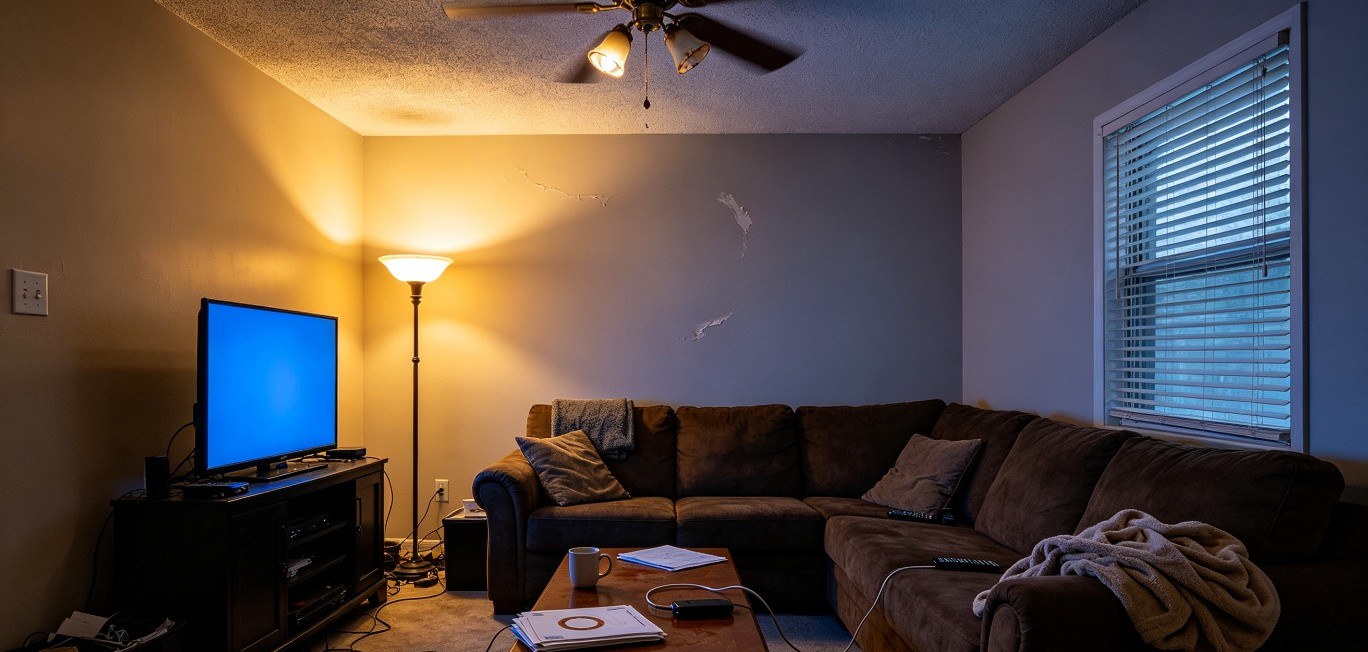
The useful starting point is the light needed on a surface, not the wattage of the bulb. Measure the room, decide what people do there, and choose a target light level for that task.
Calculate the light reaching the working area
Illuminance multiplied by area gives lumens reaching that area. Use lux with square meters, or foot-candles with square feet. For example, 20 m² at 300 lux requires 6,000 lumens on the working plane. With utilization 0.6 and maintenance factor 0.8, the initial fixture output estimate is 6,000 ÷ (0.6 × 0.8) = 12,500 lumens.
| Example input | Value |
|---|---|
| Room area | 20 m² |
| Maintained target | 300 lux |
| Light reaching the working plane | 6,000 lm |
| Utilization × maintenance | 0.6 × 0.8 = 0.48 |
| Initial fixture output estimate | 12,500 lm |
| At 2,500 lm per fixture | 5 fixtures before layout checks |
Choose a target for the actual task
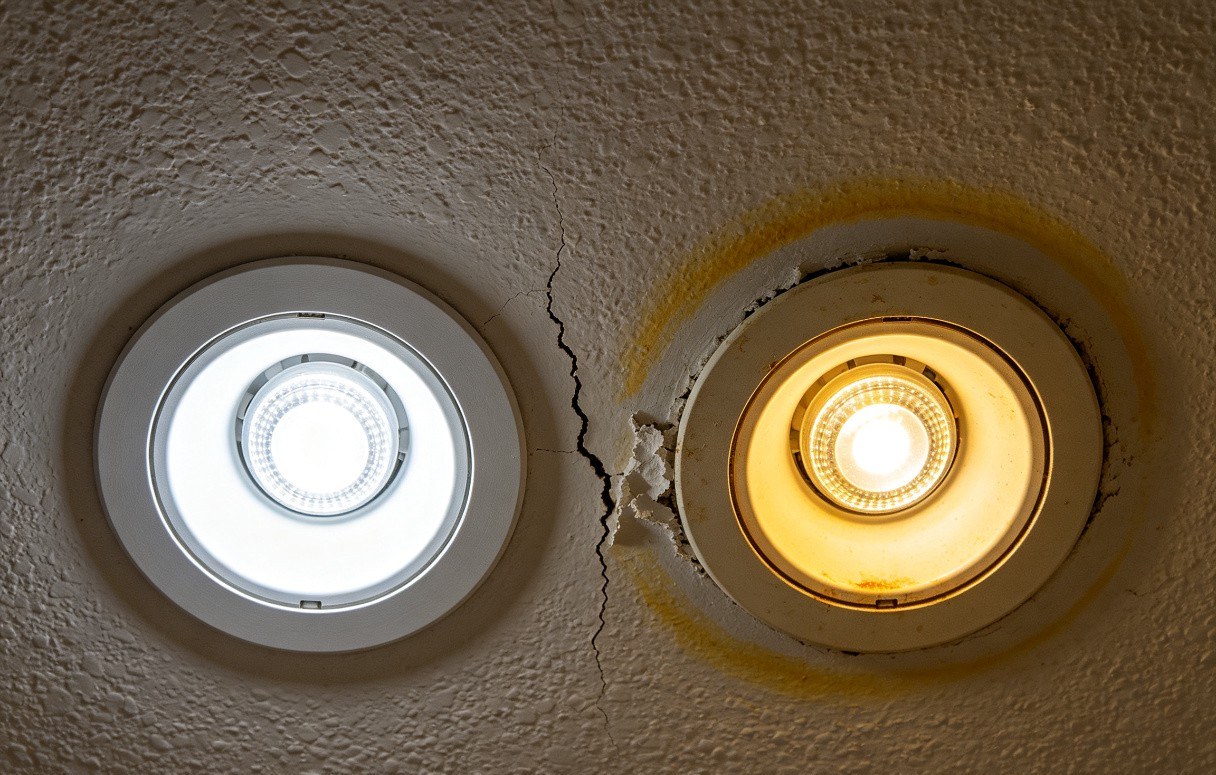
A circulation route, desk, kitchen worktop, and inspection bench need different treatment. Use the light-level reference for a starting comparison, then confirm the criteria for the project and working plane. One foot-candle equals about 10.764 lux.
Separate general and task light
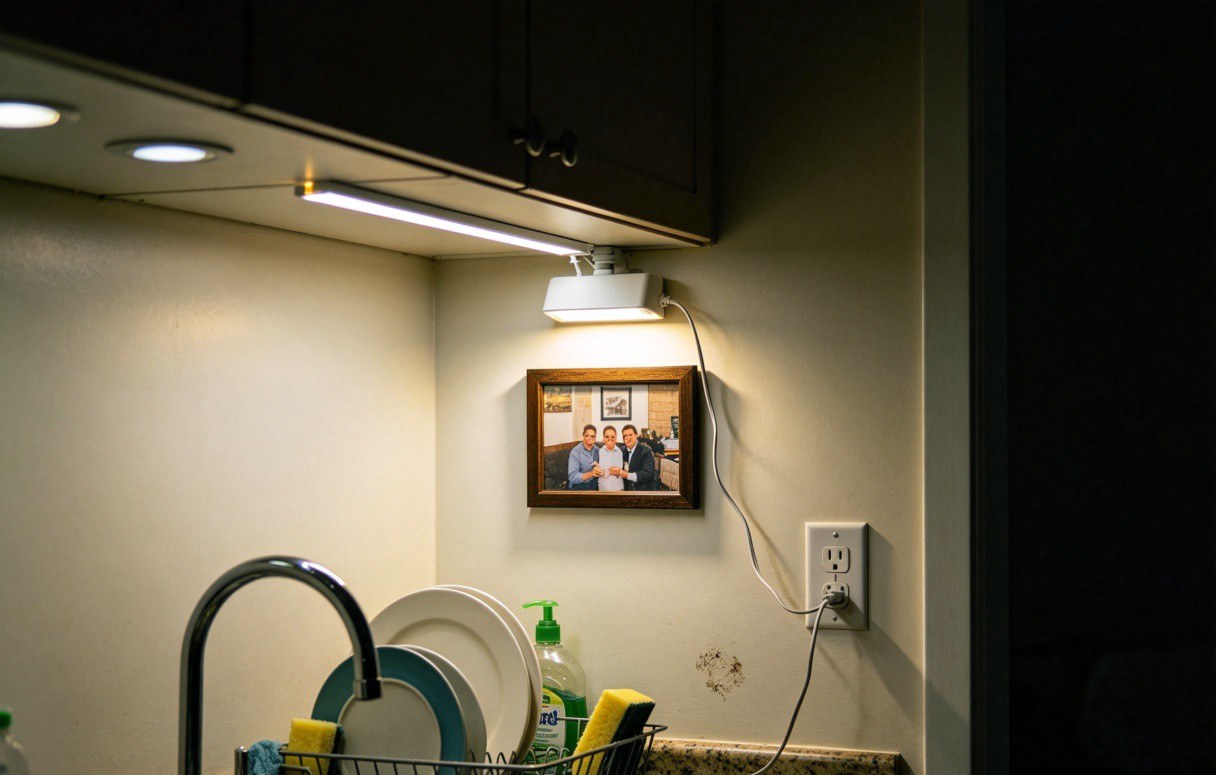
In a bedroom, bedside reading may need focused light while the rest of the room stays dim. In a kitchen, check the worktop under the position of the person preparing food. In a living room, check reading seats and screens separately from general circulation.
Include the layout in commercial estimates
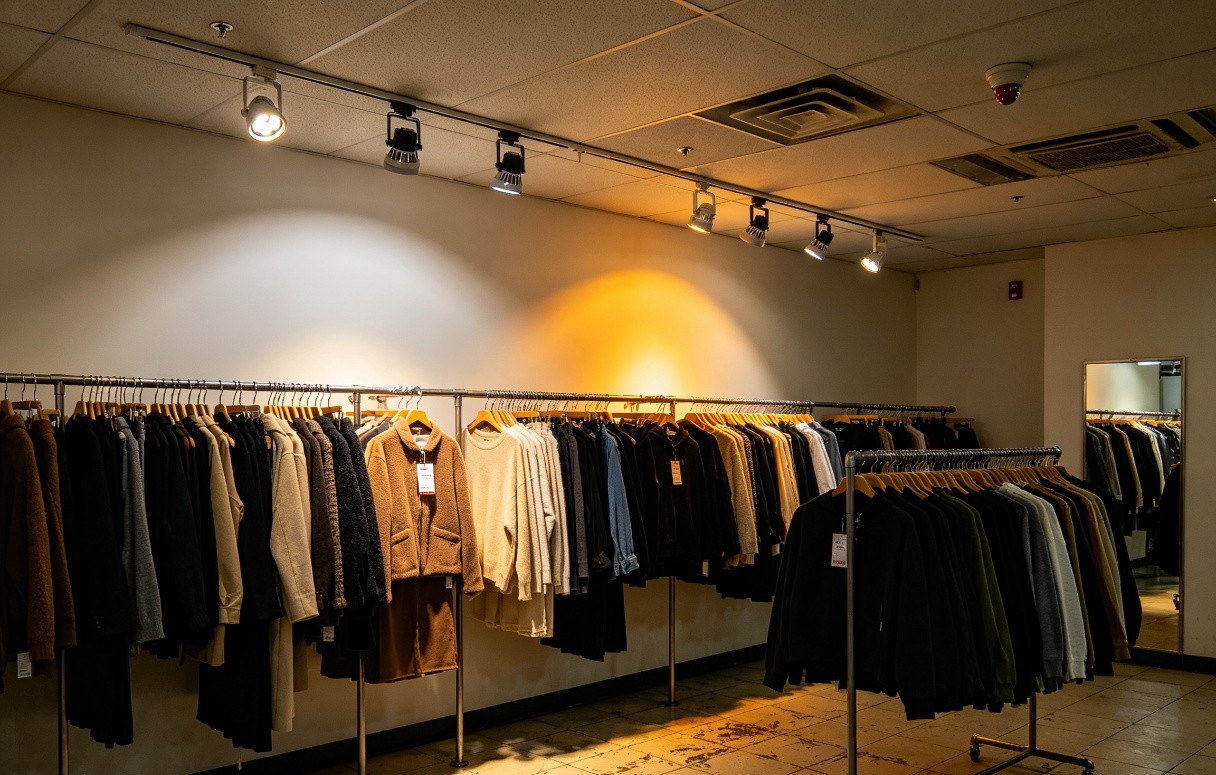
For offices, review desk positions, glare, and screen reflections. For warehouses, review shelf faces, racks, and vehicle routes. In shops, compare display brightness with surrounding areas. The same floor-area estimate can produce very different results with different optics.
Avoid mixing lamp output with surface light
Rated lumens are emitted by the lamp or luminaire. Only some reach the intended task. Include utilization and maintenance losses, use complete-fixture data where available, and check the effect of shades, dark finishes, and mounting height.
Add layers where they are needed
Ambient light supports general use, task light supports specific activities, and accent light highlights selected objects. Set them independently when practical. There is no fixed percentage split that suits every room.
Frequently Asked Questions
Can I calculate fixture count from lumens alone?
You can make an initial count, but the final layout also needs distribution, mounting height, glare, obstructions, and maintenance assumptions.
Should I buy a higher-wattage bulb for more light?
Compare lumens for brightness and watts for power use. Stay within the fixture’s lamp rating and check enclosure compatibility.
Does the homepage calculator include every light loss?
No. It includes a maintenance factor but uses utilization 1. Treat it as an initial estimate and verify the final layout with photometric data.