
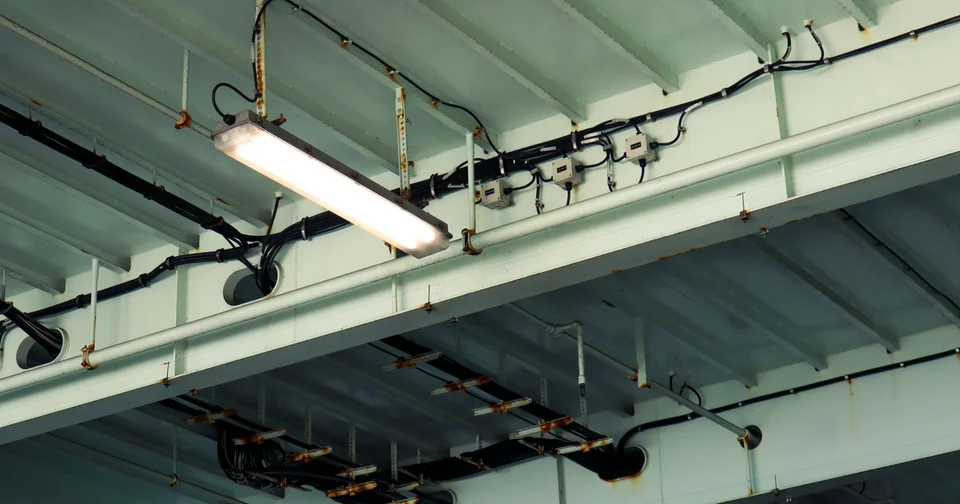

In April 2026, the European Commission reported that 48 of 58 LED tubes checked in an EU-funded market surveillance project failed at least one requirement. Markings and safety instructions were common problems. That result applies to the tested sample, not to all LED tubes on the market. The takeaway for procurement teams: review the actual product markings and instructions as well as the technical reports, while there is still time to correct them. European Commission: LED tube testing results
What buyers should check
- Request the signed EU Declaration of Conformity and evidence that covers the finished model.
- Verify any required EPREL entry and confirm who holds the WEEE registration in each market.
- Resolve model, listing or registration gaps before shipping.
1. Confirm the model, brand and sales channel
List the destination countries, brand, model and variants, and whether you will sell through a distributor, your own website or a marketplace. Record the input voltage, driver model and whether the finished fixture includes radio, internet connectivity or a battery. For a private-label order, identify who will place the product on the market under their name and who will sign the DoC. Selling under your own brand can make you the manufacturer for CE purposes even when a factory builds the product. Your Europe: who is responsible for CE marking
2. Check the EU Declaration of Conformity and model evidence
| Request from the supplier | Verify before approving |
|---|---|
| Signed EU Declaration of Conformity and relevant test evidence | The declaration identifies the model and applicable legislation. Check that the reports cover the configuration you will receive. If one report covers a model family, ask the supplier to explain how your variant is covered. |
| Rating label, packaging artwork and installation instructions | Match them to the production sample. Check brand, model, electrical ratings, traceability markings and warnings. Confirm the instructions and safety information meet the destination market’s language rules. |
| Evidence for energy labelling, where applicable | For an in-scope light source, check that the label and product information sheet match the exact brand and model in the public EPREL database. Confirm who the verified EPREL supplier is. For a containing product, ask for the light-source details for the instructions and the basis for classifying the fixture. |
If the factory proposes a different driver, LED module, radio module or housing after sample approval, ask which test results and declarations remain valid. Agree in writing that compliance-relevant substitutions must be reviewed before they go into production. European Commission: CE technical evidence; EPREL supplier guidance; Light-source classification FAQ
3. Verify WEEE registration by destination country
Make one row per destination: country · model · importer or responsible person · required language · WEEE producer · packaging producer · registration status. Add a battery responsibility field for rechargeable or battery-equipped models. Confirm which legal entity holds each required registration and how it covers your route to market. Where a WEEE registration number is issued, check that it belongs to the responsible entity and covers the relevant equipment. Do not assume that a distributor’s registration for its shipments covers your direct online sales or another country. The EU Packaging and Packaging Waste Regulation generally started applying on 12 August 2026, with separate timelines for specific measures. Check which packaging obligations apply at the time of sale. Your Europe: WEEE registration; European Commission: packaging rules; Batteries Regulation, Article 55
4. If a marketplace restricts a listing, check the reason
- Missing listing information: Check which SKU and destination are affected. Update the missing manufacturer or EU responsible person details, model identification, or required warnings. Verify the updated information is visible on the product page for that country, rather than only saved in the seller dashboard. GPSR, Article 19
- Energy label requested for a luminaire: Check whether the whole fixture qualifies as a light source. If it does not, submit the classification evidence and ask the marketplace to review the listing. Do not upload an unrelated EPREL record or present the internal LED source’s energy class as the rating of the whole fixture. European Commission: marketplace requests for luminaire energy labels
- Missing registration, outdated evidence or an actual safety issue: Hold new listings or shipments for the affected model and market until the issue is addressed. If units already sold may be unsafe, escalate immediately to the responsible operator to assess reporting, corrective action or recall. Restoring the online listing does not resolve a product safety problem. European Commission: product safety obligations
Before releasing a purchase order: Send your supplier the destination countries, sales channel, brand and exact configuration. Ask for written confirmation of the evidence available for that model, which party owns each remaining action, and when it will be completed. Resolve anything that prevents compliant sale before listing or shipping.
This checklist is for procurement planning. Confirm the obligations for your product and selling model with your EU importer or compliance adviser.
Official sources
- European Commission: LED tube testing (1 April 2026)
- Your Europe: CE marking
- European Commission: EPREL supplier guidance
- European Commission: light source or containing product?
- Your Europe: WEEE responsibilities
- European Commission: packaging rules and dates
- Batteries Regulation (EU) 2023/1542
- General Product Safety Regulation (EU) 2023/988
- European Commission: when marketplaces ask for a luminaire energy label
- European Commission Safety Gate: obligations for businesses
- European Commission: EPREL light sources database