
On 19 November 2026, the European Commission opened infringement proceedings against Italy over what it considers shortcomings in market surveillance for ecodesign and energy labelling. The case concerns enforcement of existing rules across covered products. It does not introduce a new lighting regulation or an EU-wide order block. For lighting buyers, it is a reminder to check that the documents, labels and online listing all match the model being sold. European Commission: November infringement decisions
What buyers should check
- Check CE evidence for the finished model, not just the LED driver or radio module.
- For energy labelling, determine whether the product is a light source or a luminaire containing one.
- Check online listing details and national registrations for each destination separately.
What does CE marking mean for lighting products?
By affixing the CE mark, the manufacturer takes responsibility for the product’s conformity with the applicable EU requirements. There is no universal EU-issued “CE certificate” for lighting. Ask for the signed EU Declaration of Conformity (DoC) for the finished model and confirm which technical documentation and test evidence support it. A report for the LED driver alone does not establish conformity of the assembled luminaire. European Commission: CE marking
| Product or feature | What to check |
|---|---|
| Mains-powered luminaire without radio | Assess electrical safety under the Low Voltage Directive (LVD, 2014/35/EU), electromagnetic compatibility under the EMC Directive (2014/30/EU), and restricted substances under RoHS (2011/65/EU), as applicable. |
| Low-voltage LED product with an external power supply | Check the product and power supply as supplied. The LVD generally covers equipment designed for 50–1,000 V AC or 75–1,500 V DC. A product below those limits can still be subject to other requirements, and its mains power supply may itself fall within the LVD. |
| Wi-Fi or Bluetooth luminaire | Assess the finished radio-enabled product under the Radio Equipment Directive (RED, 2014/53/EU), including its safety and EMC requirements, and check RoHS separately. A radio module report is supporting evidence, not a declaration for the finished model. |
For internet-connected models, also check which RED cybersecurity requirements apply to the finished product.
Sources: LVD, EMC Directive, RED, RED cybersecurity requirements and RoHS Directive.
EU energy labels and EPREL: light source or luminaire?
EU ecodesign rules cover in-scope light sources and separate control gear, including those placed on the market in a containing product. The A–G energy label and registration in the European Product Registry for Energy Labelling (EPREL) apply to in-scope light sources. They do not automatically apply to every luminaire sold online. European Commission: light-source requirements
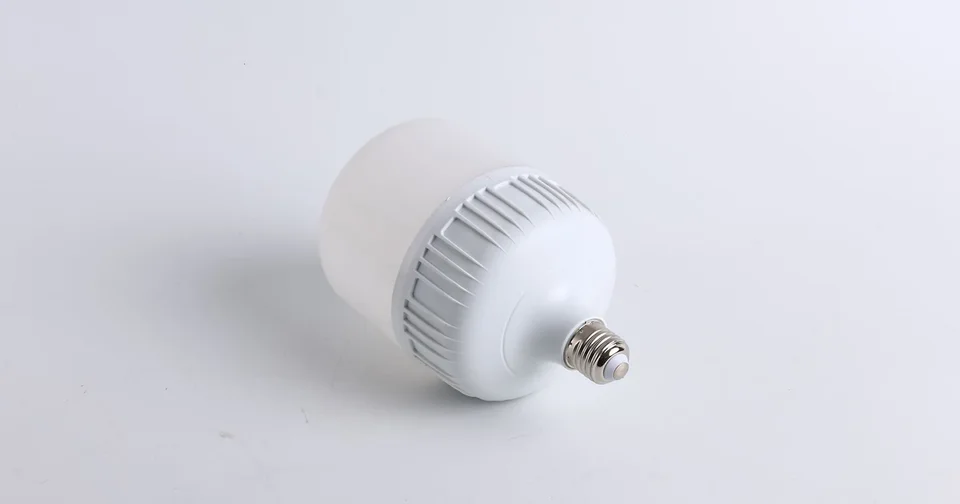
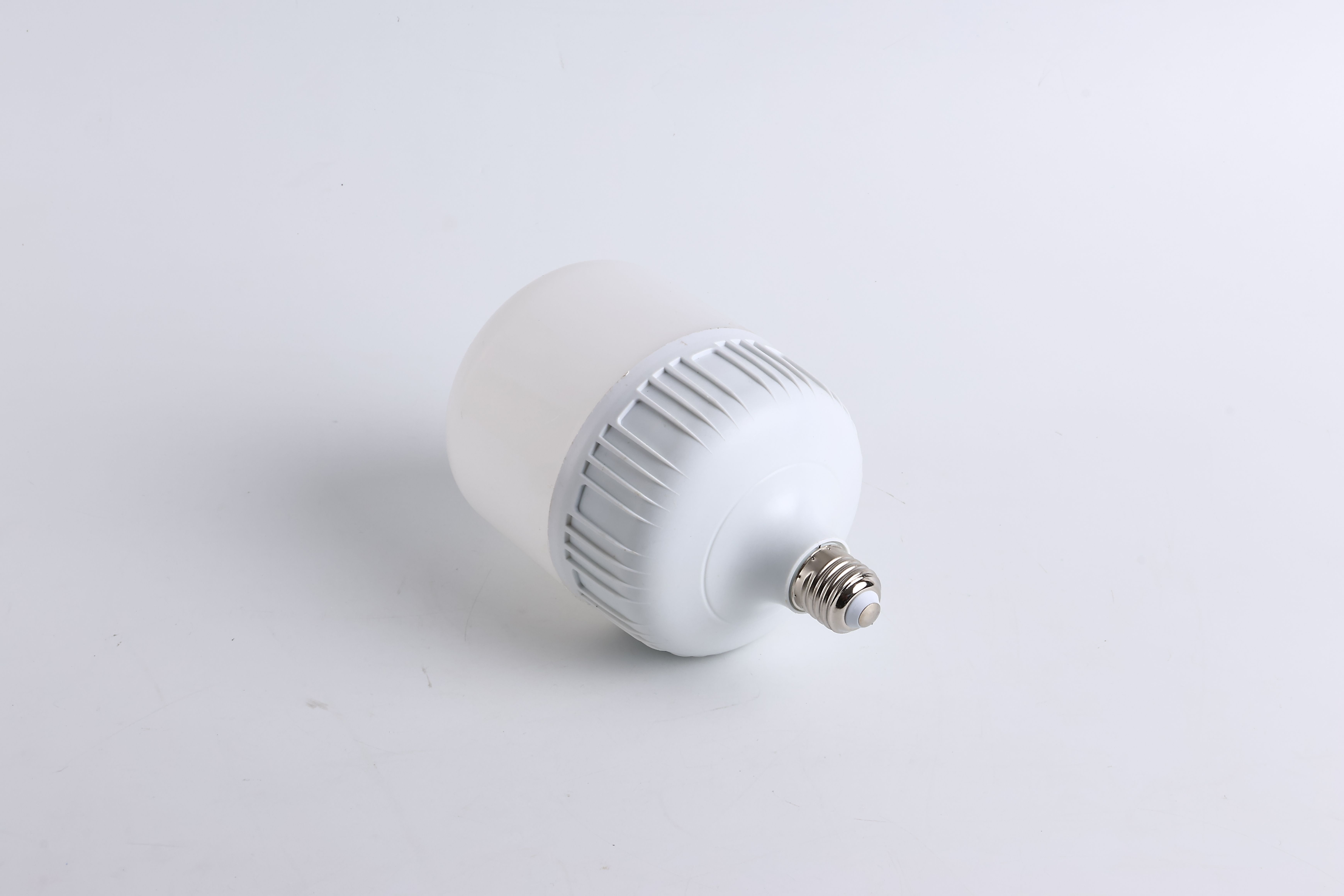
- An LED bulb sold on its own: For an in-scope model, check that the energy label, EPREL record and product information sheet all match the brand and model being sold.
- A luminaire with a light source that can be removed for separate testing without permanently damaging the source: The luminaire is generally treated as a containing product. Its supplier must provide the required information on the contained source, including its energy class in the instructions, rather than create an energy label for the entire fixture. Be ready to explain to market surveillance authorities how the source can be removed for verification.
- An integrated LED fixture whose light source cannot be removed for verification without permanently damaging the source: The entire product is treated as the light source for this purpose. If in scope, it needs its own energy label and EPREL registration. Being “integrated” or “not user-replaceable” is not, by itself, the legal test. Separate ecodesign rules address replacement of light sources and control gear in containing products.
When selling an in-scope light source online, display its energy label and product information sheet as required by the distance-selling rules.
Sources: European Commission: product classification FAQ, Energy Labelling Regulation (EU) 2019/2015 and Ecodesign Regulation (EU) 2019/2020, Article 4.
GPSR online listings and WEEE registration
For consumer products covered by the General Product Safety Regulation (GPSR), Article 19 requires distance-sale offers to visibly show the manufacturer’s name and postal and electronic contact details; the EU responsible person’s name and postal and electronic contact details if the manufacturer is outside the EU; a product picture, type and identifier; and applicable warnings or safety information in the language required for the destination market. For products covered by Article 4 of Regulation (EU) 2019/1020, identify the EU-established economic operator responsible for the model. An importer can fill that role where applicable; it is not always a separate service. GPSR, Articles 2 and 19; Market Surveillance Regulation, Article 4
Separately, identify the legal producer for waste electrical and electronic equipment (WEEE) in each destination country. Check local registration and reporting obligations, packaging producer responsibility, and battery rules if the product includes a battery. CE marking and EPREL registration do not replace those obligations. Your Europe: WEEE responsibilities; Packaging and Packaging Waste Regulation; Batteries Regulation, Article 55
What to ask your supplier before buying
Send the supplier your target countries, sales channel, brand and exact model or configuration. Ask them to identify which documents and registrations apply, what evidence is already available, and what still needs to be resolved before listing or shipment. If a marketplace restricts an offer or blocks orders for a country, start with the marketplace’s written reason. A missing listing field, a missing national registration and a product that fails testing require different fixes.
This overview covers common lighting products. Confirm model-specific obligations with your EU importer or compliance adviser before placing the product on the market.
Official sources
- European Commission: November infringement decisions (19 November 2026)
- Your Europe: CE marking
- Low Voltage Directive (2014/35/EU)
- EMC Directive (2014/30/EU)
- Radio Equipment Directive (2014/53/EU)
- RED cybersecurity: Commission Delegated Regulation (EU) 2022/30
- RoHS Directive (2011/65/EU)
- European Commission: light sources
- European Commission: light source or containing product?
- Energy labelling for light sources: Regulation (EU) 2019/2015
- Ecodesign for light sources and control gear: Regulation (EU) 2019/2020
- General Product Safety Regulation (EU) 2023/988
- Market Surveillance Regulation (EU) 2019/1020
- Your Europe: WEEE responsibilities
- Packaging and Packaging Waste Regulation (EU) 2025/40
- Batteries Regulation (EU) 2023/1542