On 1 July 2026 the EU enforced EN IEC 62471 photobiological safety for commercial LEDs. Combined with the EPBD mandate and ErP efficacy rules, this reshapes B2B procurement. This checklist maps the standards, specs, and steps every importer must verify before shipping.
Table of contents
New 2026 EU lighting rules at a glance
Three EU rules now govern commercial LED imports into Europe. The EPBD makes smart lighting mandatory in new commercial buildings. ESPR adds repairability and digital product passports to the mix.
ErP 2026 raises efficacy floors for all light sources. EN IEC 62471 adds photobiological safety testing from July 2026. Each rule gates a different stage of market access.
EU LED imports from China still grew 8 percent year-on-year in Q1 2026. End users pay up to 30 percent more for smart, sustainable fixtures. The market is evolving, not shrinking.
EN IEC 62471:2026 photobiological safety
From 1 July 2026, commercial LEDs need full-spectrum safety assessment. The test covers the 200 to 3000 nm wavelength range. Covered products include T5 and T8 tubes, panels, and downlights.
Each SKU needs a third-party Class Exempt or Class 1 report. Non-compliant goods face customs detention or platform removal. Legacy reports that skip the full range will not pass review.
The rule applies at the point of market access, not just product claims. Confirm the report matches the updated wavelength scope before shipment. Mismatched documentation now blocks clearance directly.
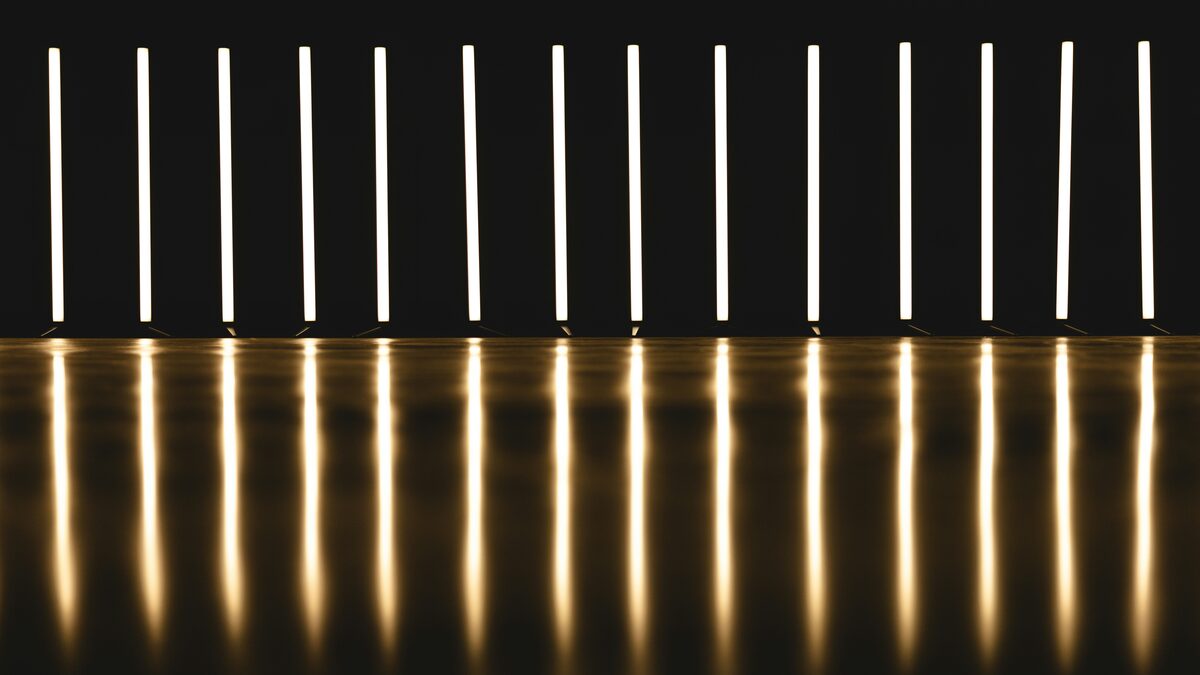
Flicker and stroboscopic risk also matter under ErP rules. The SVM limit sits at 0.4 for most light sources. Check driver quality to avoid field failures — see our guide on why LED light flashing occurs.
ErP 2026 efficacy and performance thresholds
ErP 2026 sets hard efficacy floors for EU sales. Non-directional LEDs must reach 140 lm/W or higher. Directional fixtures need at least 120 lm/W at fixture level.
Standby and networked standby power must stay under 0.5 W. These thresholds make older low-efficacy stock illegal for new installs. Use our lumens to watts conversion tool to check fixtures fast.
The endurance test runs 3,600 hours with 80 percent lumen maintenance. Rated life must hit L70 at 30,000 hours minimum. Color rendering needs CRI 80 or above for most uses.
Confirm these specs in every datasheet before ordering. Pair long-life data with our LED lifespan calculator to model service life. Verified ratings protect both warranty exposure and tender eligibility.
EPBD smart control and ESPR repairability
The revised EPBD took full effect on 29 May 2026. It mandates automatic lighting control in new commercial buildings. Fixtures must support DALI-2, KNX, or Matter for interoperability.
Drivers need D4i Gen 2 with energy metering under DALI Parts 250-253. This enables real-time energy data and fault diagnostics. Pluggable terminals and independent mounting ease later service.
ESPR adds a circular-economy layer on top. It requires a durable-plus-consumable two-layer design. LED modules and drivers must be replaceable without tools.
Producing 1 kg of primary aluminium emits about 12 kg of CO2. Repairable designs keep that embedded carbon working longer. A Digital Product Passport will soon trace each fixture's full lifecycle data.
Repairability must meet EN 45554 Class A or B. Importers must also complete EPREL registration before market launch. Solid documentation supports broader lighting design guide planning too.
Quick reference: 2026 EU LED compliance specs
| Requirement | 2026 Threshold |
|---|---|
| Photobiological safety | EN IEC 62471 Class Exempt / 1 (200-3000 nm) |
| Non-directional efficacy | ≥ 140 lm/W |
| Directional efficacy | ≥ 120 lm/W |
| Standby power | ≤ 0.5 W |
| Stroboscopic effect (SVM) | ≤ 0.4 |
| Color rendering | CRI ≥ 80 |
| Rated lifetime | L70 ≥ 30,000 h |
| Smart control protocol | DALI-2, KNX, or Matter (D4i Gen 2) |
| Repairability | EN 45554 Class A or B |
| Product traceability | ESPR Digital Product Passport + EPREL |
B2B procurement checklist
A disciplined checklist prevents shipment delays and tender loss. Verify every standard below per SKU before you commit inventory. Each item maps to a concrete market-access gate.
- Confirm EN IEC 62471 Class Exempt or Class 1 reports.
- Check ErP efficacy: 140 lm/W non-directional, 120 lm/W directional.
- Verify standby power below 0.5 W and SVM below 0.4.
- Demand DALI-2 or Matter certification and D4i Gen 2 drivers.
- Request ESPR EPDs and EN 45554 repairability class.
- Complete EPREL registration before shipping to the EU.
- Update technical files, warehouse labels, and customs declarations.
- Run integration tests and match reports to each covered SKU.
ROI and retrofit payback
Compliant controls cut energy through sensing and daylight harvesting. Real warehouse retrofits cut energy 66 to 78 percent. Payback often lands near 13 months with rebates.
One Brno distribution site cut picking errors 18 percent with better uniformity. Smart controls also lift operational value beyond energy savings. Model your project with our industrial lighting ROI calculator.

Compare LED systems against legacy fixtures for true ownership cost. See our LED vs traditional analysis for the full gap. Outdoor networks extend compliance at lower grid cost via solar street lights.
Frame the business case for executives with our ROI calculator. Numbers convert technical specs into decisions leaders trust. Start modelling before the next tender cycle closes.
Frequently asked questions
EN IEC 62471:2026 took effect on 1 July 2026. It requires full-spectrum photobiological safety assessment across 200-3000 nm. Covered products need a third-party Class Exempt or Class 1 report.
ErP 2026 requires non-directional LEDs to reach at least 140 lm/W and directional fixtures at least 120 lm/W. Standby power must stay under 0.5 W and the stroboscopic effect (SVM) below 0.4.
Yes. Non-EU manufacturers must appoint an EU Authorised Representative and complete EPREL registration before market launch. Products also need ESPR environmental product declarations and EN 45554 repairability data.